Hosting a successful event goes beyond great performances, delicious catering, or impressive décor. Whether it’s a concert, sports match, corporate gathering, or festival, one of the most crucial elements of event success is crowd management. Without proper planning and professional event security services, even a small oversight can lead to confusion, accidents, or safety hazards.
In today’s fast-paced event industry, managing large crowds efficiently requires a combination of human expertise, technology, and proactive security planning. Let’s explore how smart event security strategies can make crowd management smooth, safe, and stress-free for both organizers and attendees.
Understanding Crowd Management
Crowd management refers to the systematic planning and supervision required to control the movement and behavior of people in a safe and organized manner. The goal isn’t just to prevent chaos — it’s to enhance the overall experience of attendees by ensuring safety, accessibility, and order.
From entry gates and ticket lines to emergency exits and parking lots, every part of an event venue must be strategically managed to avoid overcrowding or confusion. That’s where professional event security services play a critical role.
Why Effective Crowd Management Matters
Poor crowd management can quickly escalate from inconvenience to crisis. Here’s why it should always be a top priority:
- Safety First: Large gatherings can lead to pushing, trampling, or panic in emergencies. Proper crowd control prevents such incidents.
- Smooth Flow of Movement: Efficient entry and exit systems reduce bottlenecks, ensuring attendees move comfortably through the venue.
- Positive Attendee Experience: A safe, well-organized environment makes guests feel comfortable and more likely to attend future events.
- Compliance with Regulations: Following local safety codes and capacity limits protects event organizers from legal liabilities.
- Brand Reputation: A well-managed event reflects professionalism and builds trust with guests, sponsors, and partners.
Smart Event Security Strategies for Effective Crowd Management
Here are some proven strategies that top security services in Canada and worldwide use to handle large gatherings seamlessly:
1. Start with a Comprehensive Risk Assessment
Every event is different — and so are its security needs. Before the event begins, security experts conduct a risk assessment to identify potential threats such as overcrowding, fire hazards, or medical emergencies.
Factors considered include:
- Expected attendance numbers
- Venue layout and entry points
- Weather conditions (for outdoor events)
- Type of audience (family, corporate, or high-energy crowd)
- Availability of emergency exits
Once risks are identified, security teams can design detailed plans covering staffing, surveillance, and emergency protocols.
2. Plan Entry and Exit Points Strategically
One of the most common challenges in crowd control is managing entry and exit traffic. To prevent bottlenecks:
- Designate multiple entrances and exits to disperse crowds.
- Use barriers and signage to guide attendees clearly.
- Implement electronic ticket scanning for quick entry.
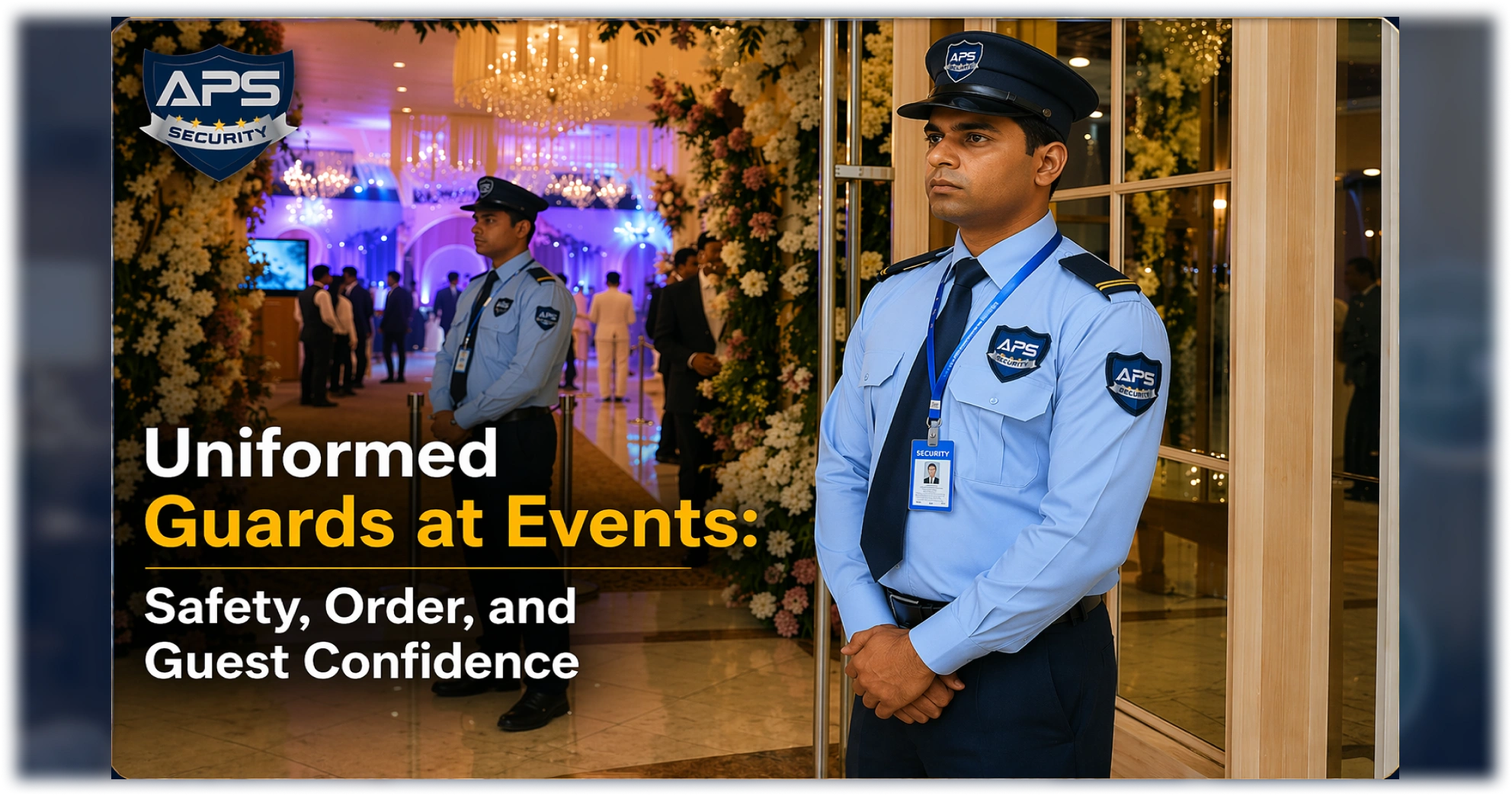
- Assign trained uniformed security guards at all access points to verify passes and control unauthorized entry.
Having separate pathways for VIP guests, performers, and staff also prevents congestion and confusion.
3. Use Trained Event Security Guards
Professional event security guards are the backbone of any successful crowd management plan. Their training goes beyond maintaining order — they’re skilled in:
- Identifying early signs of disorder or aggression
- Managing high-pressure situations calmly
- Coordinating evacuation procedures
- Providing first aid or assisting emergency responders
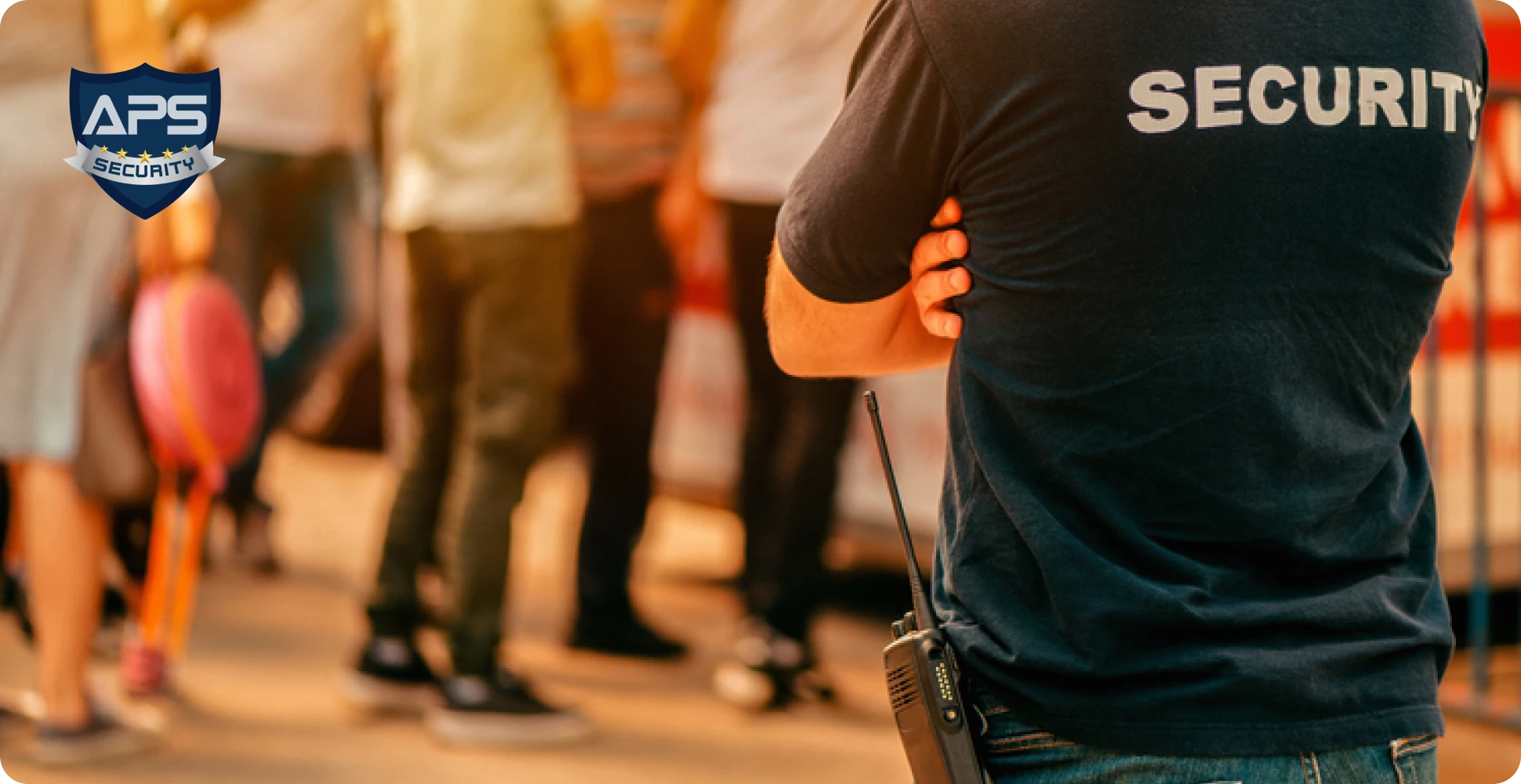
By maintaining a visible presence, they act as both a deterrent to misbehavior and a reassuring presence for attendees.
4. Incorporate Technology for Smarter Control
Modern event security services rely heavily on technology to streamline operations. Some tools that enhance crowd management include:
- CCTV Surveillance Systems: Monitor real-time crowd density and detect unusual movement.
- Drones: Provide aerial monitoring for outdoor festivals or sports events.
- Communication Apps: Keep the entire security team connected for faster coordination.
- AI-based Analytics: Predict potential trouble spots by analyzing crowd flow and patterns.
Technology not only improves response times but also helps event organizers gather data for future planning.
5. Establish Clear Communication Channels
In large events, miscommunication can cause unnecessary panic. Establishing clear and consistent communication is vital.
- Equip all staff with radios or headsets for instant coordination.
- Use public address systems to relay information or instructions to attendees.
- Provide visible signage indicating restrooms, exits, and first-aid areas.
Transparency and timely information prevent confusion and reassure attendees during both routine updates and emergencies.
6. Implement Emergency Response Plans
Even with perfect planning, emergencies can happen. Every event must have a comprehensive emergency response plan in place.
This includes:
- Designated assembly points and evacuation routes
- On-site first-aid stations
- Coordination with local police, fire departments, and medical teams
- Regular drills for security personnel
Quick, calm responses can make a life-saving difference during critical moments.
7. Prioritize Staff Training and Coordination
Security personnel, ushers, and event staff must all work as one cohesive team. Regular training sessions help them understand crowd psychology, communication techniques, and emergency protocols.
When everyone knows their role — from scanning tickets to directing exits — the event runs like a well-oiled machine.
8. Maintain Continuous Monitoring
Crowd management doesn’t end once the event begins. Continuous real-time monitoring ensures issues are spotted early.
Mobile patrols, surveillance feeds, and on-ground supervisors should constantly observe crowd movement and report any signs of:
- Overcrowding
- Disorderly conduct
- Suspicious activity
Proactive monitoring allows security teams to intervene before minor issues escalate.
The Role of Professional Event Security Services
Partnering with a trusted security provider makes all the difference. Experienced companies offering event security services understand the nuances of managing crowds safely and efficiently.
They provide:
- Licensed and well-trained guards
- Advanced monitoring equipment
- Tailored security plans for every type of event
- Emergency response expertise
For organizers across Canada — especially in regions like British Columbia — working with the best security services ensures every event is both memorable and secure.
Conclusion
Crowd management may seem daunting, but with smart strategies, trained professionals, and the right technology, it can be handled with ease. Effective event security services not only protect guests and assets but also contribute to the overall success and reputation of your event.
When planning your next gathering, remember that great events aren’t just about entertainment — they’re about ensuring every guest feels safe, comfortable, and cared for from start to finish.