In the ever-evolving world of retail, staying ahead of theft, fraud, and operational shrinkage is not just smart—it’s essential. As retail technology advances and shopping habits change, so do the risks that threaten your store’s profitability. That’s where retail loss prevention comes in.
Retailers in 2026 face new challenges: organized retail crime (ORC), employee theft, digital fraud, and inventory mismanagement. Whether you manage a small boutique or a nationwide chain, having robust retail loss prevention systems and well-planned retail loss prevention strategies is the key to maintaining profitability and customer trust.
In this comprehensive guide, we’ll explore what retail loss prevention is, why it’s critical for your business, and which retail loss prevention solutions can help safeguard your store in 2026 and beyond.
What Is Retail Loss Prevention?
Retail loss prevention refers to the measures, systems, and policies retailers implement to minimize losses from theft, fraud, and operational errors. Loss in retail is commonly known as “shrink,” which can occur due to several reasons:
- Shoplifting
- Employee theft
- Administrative errors
- Vendor fraud
- Damaged or misplaced inventory
The goal of retail loss prevention is simple: reduce shrinkage while improving operational efficiency and maintaining a safe shopping environment.
To achieve this, retailers rely on technology, training, and specialized personnel such as retail loss prevention specialists who analyze store data, monitor surveillance systems, and implement proactive security measures.
Why Retail Loss Prevention Matters in 2026
As we step into 2026, the retail industry faces both opportunities and threats. E-commerce continues to grow, but physical retail stores remain crucial for customer engagement. However, with more advanced criminals and increased use of technology, loss prevention in retail stores must also evolve.
Here’s why retail loss prevention is more important than ever:
- Rising Organized Retail Crime (ORC): Groups targeting high-value merchandise are becoming more sophisticated.
- Increased Employee Theft: With labor shortages and high turnover, insider theft remains a major issue.
- Integration of AI and IoT: These technologies enhance security but also create new vulnerabilities.
- Hybrid Shopping Models: Buy-online-pickup-in-store (BOPIS) and curbside pickup add logistical challenges that criminals can exploit.
- Customer Trust and Brand Reputation: Effective retail asset protection directly impacts how customers perceive your brand’s reliability and safety.
Key Components of an Effective Retail Loss Prevention Strategy
Creating a successful retail loss prevention strategy in 2026 involves integrating people, process, and technology. Let’s break down the most effective techniques and solutions every retailer should know.
1. Advanced Surveillance and Monitoring Systems
Modern retail loss prevention systems rely heavily on AI-driven video surveillance. Unlike traditional CCTV, today’s smart cameras use analytics to identify suspicious behavior in real time.
Key features include:
- Facial recognition for identifying repeat offenders
- Heat mapping to track customer movement patterns
- Real-time alerts for potential theft or fraud
- Integration with POS systems to detect transaction anomalies
For example, an AI-enabled camera can flag if someone repeatedly picks up high-value items without purchasing. This proactive approach prevents theft before it happens.
2. Electronic Article Surveillance (EAS) and RFID Technology
Electronic Article Surveillance (EAS) and RFID tags are critical retail loss prevention solutions that deter theft and enhance inventory tracking.
Benefits:
- Immediate alerts if unpaid merchandise leaves the store
- Accurate real-time inventory visibility
- Faster restocking and better stock management
In 2026, expect to see RFID integrated with blockchain-based tracking, ensuring full transparency from supplier to shelf.
3. Employee Training and Awareness Programs
Employees play a vital role in retail asset protection. Properly trained staff can recognize suspicious behavior, enforce company policies, and maintain safety.
Effective training should include:
- Recognizing theft indicators
- Handling confrontations safely
- Following proper cash-handling procedures
- Understanding store security systems
Many leading retailers now use gamified e-learning modules to train employees on loss prevention techniques, ensuring engagement and retention of knowledge.
4. Access Control and Store Design Optimization
The physical layout of your store can significantly impact security. Implementing access control and thoughtful store design is a proactive retail loss prevention strategy.
Techniques include:
- Placing high-value items near staffed areas
- Installing mirrors in blind spots
- Limiting access to stockrooms
- Using smart locks for employee-only zones
By strategically designing your retail space, you can reduce theft opportunities and increase employee visibility throughout the store.
5. Data Analytics and Predictive Intelligence
Modern retail loss prevention systems leverage data analytics to detect unusual patterns in sales, refunds, or inventory movement. Predictive analytics helps retailers spot potential fraud before it escalates.
Examples:
- Identifying employees with unusually high refund rates
- Spotting product categories with recurring shrinkage
- Detecting fraudulent discount code usage
In 2026, AI tools are expected to take this further—automatically generating actionable insights for retail loss prevention specialists to act upon in real time.
6. Cybersecurity and Digital Fraud Prevention
Loss prevention is no longer confined to physical stores. With omnichannel retail, digital fraud such as chargebacks, fake returns, and identity theft are increasing.
To enhance retail asset protection, retailers should:
- Implement multi-factor authentication (MFA) for online transactions
- Use AI-powered fraud detection systems
- Conduct regular cybersecurity audits
- Encrypt customer data and payment information
A secure digital ecosystem complements physical retail loss prevention strategies, creating a 360-degree protection plan.
7. Collaboration with Law Enforcement and Security Experts
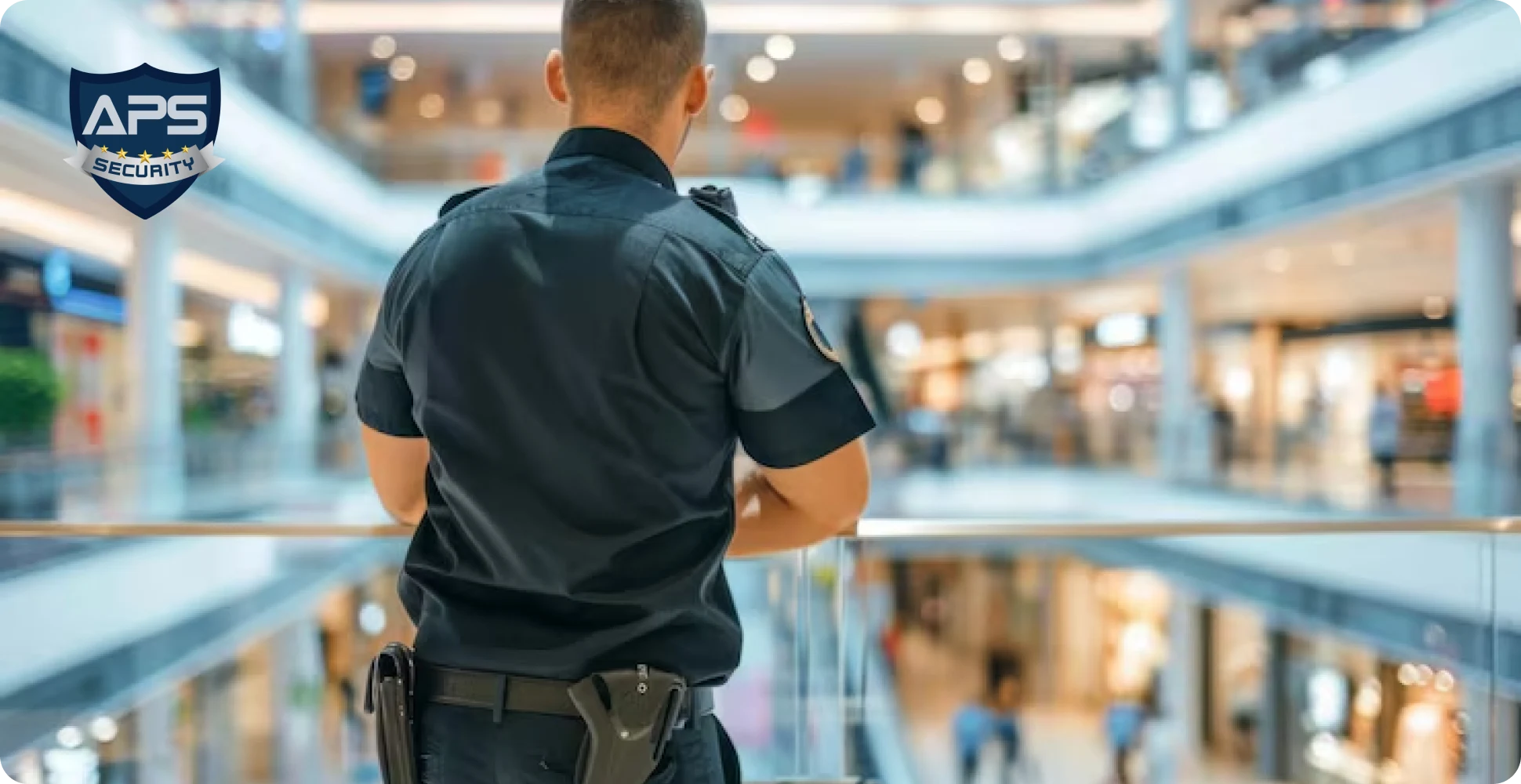
Working with professional security teams, including a loss prevention security guard, enhances overall store safety. Many large retailers partner with local police or hire third-party retail loss prevention specialists such as APS Security for expert guidance.
Our professional security officers conduct risk assessments, investigate theft incidents, and develop tailored retail loss prevention solutions suited to your store’s needs.
How to Build a Retail Loss Prevention Plan (Step-by-Step)
Developing an effective retail loss prevention strategy involves structured planning. Follow these steps to implement a solid system for your business:
Step 1: Assess Your Current Risks
Identify the most common causes of shrinkage in your store. Review past incidents, security footage, and transaction data.
Step 2: Set Clear Objectives
Define measurable goals such as reducing theft by 20% or improving stock accuracy by 15%.
Step 3: Choose Appropriate Technology
Select retail loss prevention systems such as surveillance cameras, RFID tags, or analytics platforms based on your risk profile.
Step 4: Train Your Team
Ensure all staff understand loss prevention policies and know how to respond to theft or suspicious activity.
Step 5: Monitor and Evaluate
Regularly audit your systems and update them as new threats emerge. In 2026, AI-driven dashboards can automatically generate performance reports on shrinkage trends.
Latest Retail Loss Prevention Trends for 2026
Staying updated with emerging trends helps retailers stay ahead of potential losses. Here are the most relevant retail loss prevention solutions for 2026:
- AI-Powered Theft Prediction: AI models forecast theft-prone hours and sections.
- Smart Shelves and IoT Sensors: Sensors detect product removal patterns and send alerts if irregular.
- Mobile Security Apps: Managers can monitor store surveillance remotely.
- Blockchain-Based Inventory Tracking: Ensures product authenticity and prevents supplier fraud.
- Integrated POS Analytics: Detects refund fraud and suspicious transactions instantly.
- Drone Surveillance for Large Stores: Ideal for warehouse and logistics centers.
These technologies align with future-ready retail asset protection frameworks, merging digital and physical security seamlessly.
The Role of Retail Loss Prevention Specialists
Retail loss prevention specialists are trained professionals responsible for identifying risks, implementing preventive measures, and investigating losses. Their expertise extends beyond traditional security—covering analytics, compliance, and employee safety.
Typical duties include:
- Monitoring surveillance feeds
- Conducting internal investigations
- Coordinating with law enforcement
- Training staff on retail loss prevention strategies
- Recommending system upgrades
In 2026, these specialists will increasingly rely on AI-assisted decision tools, improving efficiency and accuracy.
Common Challenges in Retail Loss Prevention
Despite the availability of advanced tools, retailers still face challenges in implementing effective retail loss prevention systems:
- High Costs: Cutting-edge security tech can be expensive.
- Data Privacy Concerns: Facial recognition and analytics raise regulatory issues.
- Employee Resistance: Some staff may view surveillance as intrusive.
- Integration Gaps: Older stores may struggle to connect new digital systems.
To overcome these issues, retailers must balance technology with transparent communication and ethical security practices.
Best Practices for Effective Retail Loss Prevention
To ensure success, follow these best practices used by leading global retailers:
- Regularly review and update your retail loss prevention strategies
- Encourage employee reporting of suspicious activities
- Conduct unannounced audits
- Integrate all systems (POS, cameras, RFID) for unified monitoring
- Foster a culture of honesty and accountability
- Reward employees for helping prevent loss
These practices not only reduce shrinkage but also enhance customer experience and employee morale.
Examples of Successful Retail Loss Prevention
- Walmart: Uses AI-powered cameras at self-checkout stations to detect scanning errors or intentional theft.
- Best Buy: Integrates RFID and video analytics for high-value product tracking.
- Target: Employs predictive analytics to identify organized retail crime patterns.
These success stories show how retail loss prevention systems evolve with technology to combat emerging threats.
FAQs
1. What is retail loss prevention and why is it important?
Retail loss prevention is the practice of minimizing theft, fraud, and operational losses in stores. It ensures profitability and protects brand reputation.
2. How do retail loss prevention systems work?
They use surveillance, RFID, and analytics tools to detect suspicious activity, track inventory, and alert security teams in real time.
3. What are the best retail loss prevention strategies in 2026?
AI surveillance, employee training, RFID tagging, and data analytics are the top retail loss prevention strategies for 2026.
4. Who are retail loss prevention specialists?
They are trained experts who design and manage retail loss prevention solutions, ensuring store safety and minimizing financial losses.
5. How can small retailers implement loss prevention in retail stores affordably?
Start with employee training, basic CCTV systems, and low-cost EAS tags. Gradually scale up with digital analytics as your budget allows.
The Future of Retail Asset Protection
The next wave of retail asset protection will be defined by automation, AI, and data integration. Smart sensors, predictive alerts, and automated reporting will help retailers act faster and smarter.
By 2026, successful retailers won’t just react to loss—they’ll anticipate and prevent it before it occurs.
Conclusion:
As retail evolves, so must its defense mechanisms. Implementing robust retail loss prevention systems, empowering employees, and leveraging data-driven intelligence are no longer optional—they’re essential for survival in 2026.
Whether you’re a store owner, manager, or retail loss prevention specialist, the key takeaway is this: prevention is always more cost-effective than recovery. A well-designed retail loss prevention strategy not only safeguards your merchandise but also enhances customer trust and operational efficiency.
Invest today in the right retail loss prevention solutions, and your store will be equipped to handle whatever challenges the future brings.