
Corporate events bring together employees, partners, executives, clients, and sometimes high-profile guests. Whether you plan a product launch, AGM, conference, or VIP networking night, corporate event security plays a major role in ensuring everyone stays safe—and your brand reputation remains intact. Today, organizations are expected to deliver well-managed, secure gatherings, because any security failure can result in legal liabilities, PR damage, and financial loss.
In this detailed guide, you’ll learn how security for corporate events works, why it matters, the best strategies to avoid threats, and how to protect corporate event guests effectively.
What Is Corporate Event Security?
Corporate event security refers to professional planning and implementation of corporate event protection to prevent risks such as unauthorized access, theft, disruptions, cyber-attacks, active threats, or emergencies. A security plan includes manpower, technology, access control, monitoring, and response systems.
In simple terms, it ensures the event runs smoothly without danger to guests, staff, or business assets.
Key Objectives of Corporate Event Security
- Minimize physical and digital risks
- Protect high-profile participants
- Prevent unauthorized entry
- Detect suspicious behavior early
- Post-incident reporting and prevention
Why Corporate Event Security Matters for Brand Reputation
A well-organized corporate event reflects innovation and leadership—but a poorly secured one can permanently damage your brand. Even a small incident (such as a protestor entering the stage) can go viral instantly.
Security failure can lead to:
- public embarrassment
- trust loss
- interruption of event activities
- lawsuits
- potential harm to VIPs
- negative media exposure
Example
A tech company in California suffered a PR crisis after activists accessed their conference stage during a keynote. The brand faced media criticism, even though no one was hurt.
The lesson? Prevention is cheaper than crisis management.
What Are the Biggest Threats to Corporate Events?
Corporate gatherings face both physical and digital risks.
Common threats include:
- unauthorized guest entry
- theft of confidential documents
- protest and disruption
- cyber breaches impacting presentations
- violence or crowd panic
- VIP targeting
Modern corporate event security must address both digital and physical concerns.
What Are the Best Strategies for Corporate Event Protection?
Following security best practices helps organizations protect employees, VIP attendees, data, and brand reputation.
Core security strategies include:
- Pre-event security surveys
- Detailed risk assessment
- Venue security checks
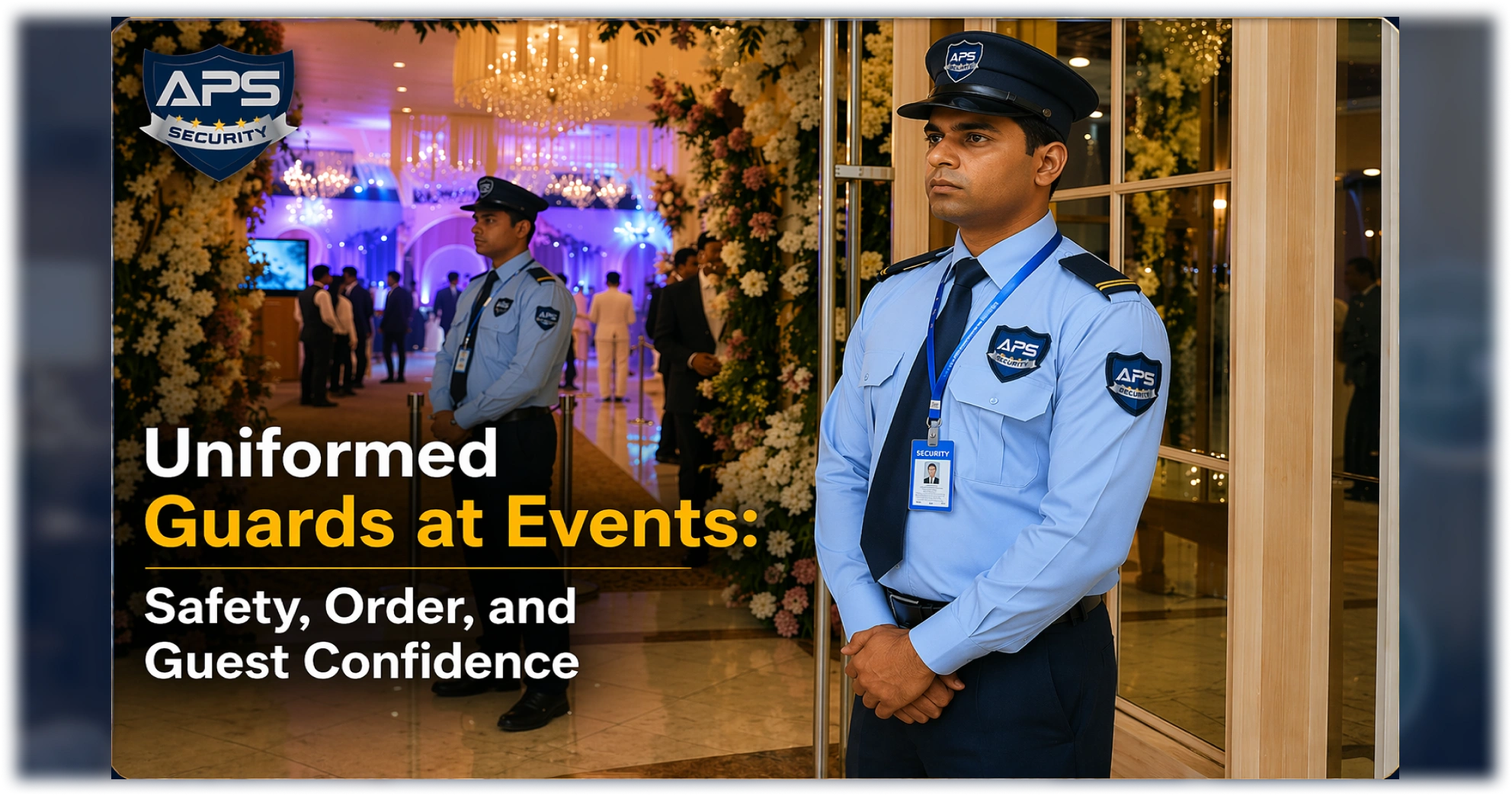
- Trained guards onsite
- Monitoring entry and exits
- Emergency response planning
- Cybersecurity systems
- VIP and executive protection
Professional experts understand how criminals exploit weaknesses—and design solutions to eliminate them.
What Security Measures Should Businesses Use at Corporate Events?
Here are highly effective measures that most professional corporate event security services for businesses implement:
Physical Measures
- metal detectors
- ID scanning
- bag screening
- perimeter security
- security guards
- CCTV monitoring
Digital Measures
- secured event Wi-Fi
- encrypted access
- restricted log-ins
- data leak monitoring
Smart Technology
Modern events now use:
- AI surveillance
- facial recognition
- live behavior analytics
- drone monitoring
This technology helps security teams detect threats early before they reach guests.
How to Protect Corporate Event Guests Step by Step
Follow this practical checklist whenever you plan a corporate gathering:
Step 1: Start with a risk assessment
Identify possible risks based on location, scale, and guest profile.
Step 2: Build a guest screening plan
- pre-approved guest list
- badge system
- digital check-ins
Step 3: Strengthen access control
Secure all access points—especially emergency exits and backstage areas.
Step 4: Assign trained guards
For high-profile events, include unformed guards and plain-clothed officers.
Step 5: Install surveillance
Place cameras where suspicious activity is most likely.
Step 6: Ensure medical response
Your event must have a medical emergency process and necessary equipment.
Why Hire the Best Corporate Event Security Companies?
Third-party professional teams bring expertise, manpower, and emergency preparedness that most organizations do not have internally.
Advantages include:
- better planning
- stronger risk assessment
- trained teams
- faster emergency handling
- safer VIP management
Modern businesses prefer outsourcing because event-specific security requires experience, not just manpower.
Can Technology Improve Corporate Event Protection?
Absolutely. Today, event organizers rely on advanced surveillance, biometrics, and real-time alerts to reduce risks.
Technologies used:
- AI facial recognition
- license plate scanning
- thermal cameras
- real-time threat detection
- crowd control analytics
Artificial Intelligence helps identify anomalies far quicker than human monitoring.
Do Corporate Events Need VIP and Executive Protection?
If your event includes executives, celebrities, politicians, or influencers, then yes.
VIP risks include:
- physical attack
- kidnapping
- stalking
- protest targeting
Professional executive protection includes:
- risk intelligence
- close-protection officers
- movement control
- secure transportation
How to Choose the Best Corporate Event Security Companies
Consider these factors before hiring:
Checklist
- licensed and certified
- corporate experience
- emergency training
- availability of technology
- skilled event guards
- strong reputation
- ability to handle large events
Well-trained teams that understand crowd management and emergency procedures play a vital role in securing large gatherings, just like those handling event security services and use standardized policies and risk-reduction methods.
FAQs
1. What is corporate event security?
It refers to the process of planning, managing, and securing company gatherings to prevent risks and keep guests safe.
2. How do I secure a corporate event?
Begin with threat assessment, hire trained security specialists, install access control, use surveillance monitoring, and develop emergency plans.
3. Do I really need event security if guests are internal employees?
Yes, because emergencies, medical incidents, or cyber threats can occur even without external visitors.
4. Can security reduce corporate liability?
Yes. Proper event security helps businesses avoid legal responsibilities and financial damages resulting from negligence.
5. How early should I hire security for corporate events?
Ideally, at least 30–60 days before the event, especially for large gatherings.
Final Takeaway
Corporate event security is no longer optional—it is a strategic investment that protects brand reputation, builds trust, and ensures safe, seamless guest experiences. By assessing risks early, hiring professionals, and integrating smart technology, businesses can prevent disruptions and demonstrate strong organizational responsibility.
Well-secured events increase confidence, enhance brand image, and create a positive experience for every participant—today and in the future.