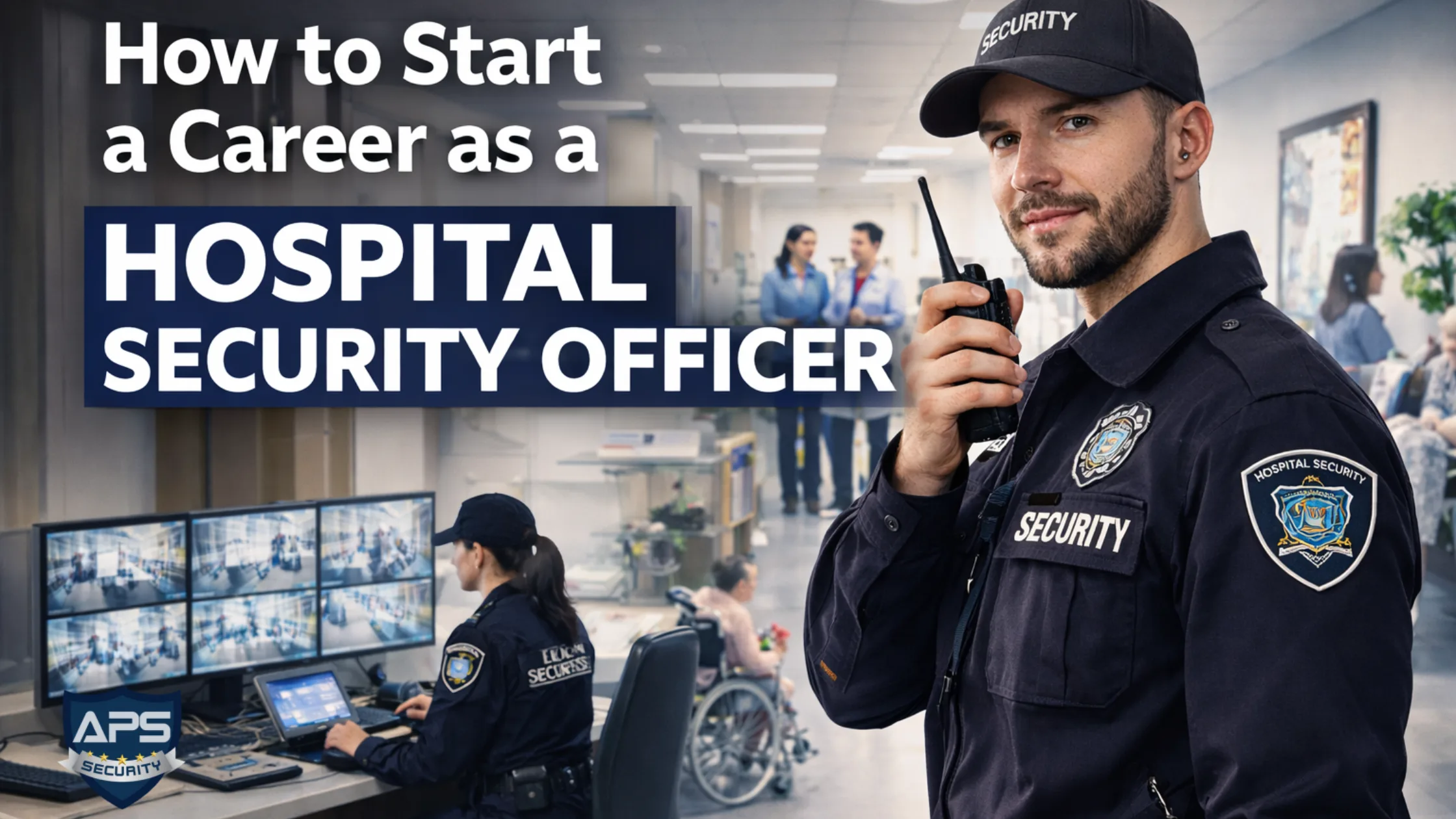
Starting a career as a hospital security officer is more than choosing a job—it is committing to public safety, patient care support, and crisis management in one of the most sensitive environments. Hospitals operate 24/7, handle emotional situations daily, and require trained professionals who can protect people without disrupting care. If you are exploring a stable, respected, and purpose-driven career, becoming a hospital security officer can be a strong choice.
This guide explains what a hospital security officer does, how you can start, what skills matter most, and how to grow successfully in this field. Whether you are a fresher or transitioning from another security role, this article gives you a clear, step-by-step roadmap.
What Is a Hospital Security Officer?
A hospital security officer is a trained professional responsible for maintaining safety, order, and compliance within healthcare facilities. Unlike general security roles, hospital security requires a balance of authority, empathy, and quick decision-making.
Key Responsibilities Explained
A hospital security officer typically handles:
- Access control for patients, visitors, and staff
- Monitoring surveillance systems
- Managing aggressive behavior or emotional distress
- Supporting emergency response teams
- Protecting hospital property and medical assets
Unlike a standard security role, a hospital security guard must interact with vulnerable patients, stressed families, and medical professionals—all at the same time.
Why Choose a Career as a Hospital Security Officer?
If you are asking, “Is hospital security officer a good career?”—the answer is yes for many reasons.
Benefits of This Career Path
- Job stability due to constant demand
- Career growth into supervisory or tactical roles
- Meaningful work in a healthcare setting
- Skill transferability to other security domains
Hospitals increasingly invest in professional security teams, making the role future-proof and respected.
Skills You Need to Become a Successful Hospital Security Officer
To succeed as a hospital security officer, you need more than physical presence.
Essential Skills You Must Develop
- Communication skills – calm, clear, and respectful
- Conflict de-escalation – handling aggression without force
- Situational awareness – identifying risks early
- Emotional intelligence – dealing with trauma and stress
- Physical fitness – readiness for emergencies
A tactical security guard background can be helpful, but hospitals prioritize restraint, compliance, and patient safety over force.
Educational and Certification Requirements
Minimum Qualifications
Most employers require:
- High school diploma or equivalent
- Clean background verification
- Basic computer literacy
Mandatory Training Programs
To work as a hospital security officer, you may need:
- Security guard licensing
- First aid and CPR certification
- Crisis intervention training
- Fire safety and evacuation training
Hospitals prefer officers trained specifically in healthcare environments rather than retail or industrial security.
Step-by-Step Guide: How to Start a Career as a Hospital Security Officer
Step 1: Understand the Hospital Security Role
A hospital security officer focuses on protecting patients, staff, and visitors first, while also securing property. Unlike retail or corporate security, this role involves de-escalation, emergency response, access control, and working in sensitive healthcare environments.
Step 2: Complete Required Security Licensing
Most regions require hospital security officers to hold a valid security license. This involves completing an accredited training program that covers legal responsibilities, conflict management, emergency procedures, and use-of-force regulations.
Step 3: Gain Relevant Experience
Experience in security, customer service, healthcare support, or public-facing roles improves job readiness. These roles build communication skills, situational awareness, and the ability to handle stressful situations common in hospitals.
Step 4: Apply to Healthcare-Focused Security Firms
Companies offering healthcare protection or loss prevention services often have hospital contracts.
Step 5: Pass Background and Medical Screening
Hospitals require strict background checks and, in some cases, medical or fitness assessments. These screenings ensure officers meet safety, trust, and regulatory standards for healthcare settings.
A Day in the Life of a Hospital Security Officer
A typical shift for a hospital security officer may include:
- Morning patrols of sensitive areas
- Visitor screening and access control
- Responding to emergency alerts
- Supporting medical staff during incidents
- Writing incident and compliance reports
Every day is different. One moment you guide visitors, the next you assist during a medical emergency.
Hospital Security Officer vs Other Security Roles
How Is Hospital Security Different?
| Feature | Hospital Security Officer | General Security |
| Environment | Healthcare | Commercial/Industrial |
| Training | Medical + safety | Physical security |
| Interaction | Patients & staff | Customers or assets |
| Approach | De-escalation | Deterrence |
Because of this complexity, hospitals value professionalism over aggression.
Career Growth Opportunities in Hospital Security
Starting as a hospital security officer does not mean staying at entry level.
Career Progression Paths
- Senior hospital security officer
- Shift supervisor
- Security operations manager
- Emergency response coordinator
Some professionals transition into specialized roles like tactical security guard positions for high-risk healthcare facilities.
How to Succeed Long-Term as a Hospital Security Officer
Best Practices for Career Success
- Keep certifications updated
- Attend healthcare safety workshops
- Improve communication skills regularly
- Learn hospital compliance laws
- Stay physically and mentally fit
Employers value officers who grow with evolving healthcare risks.
The Role of Security Companies in Hospital Careers
Partnering with established firms increases placement and training quality. Companies like APS Security focus on professional development, compliance training, and healthcare-specific security deployment.
In regions like North America, healthcare-focused security services Canada continue to expand due to stricter hospital safety regulations.
Common Challenges and How to Handle Them
Challenge: Emotional Situations
Solution: Training in empathy and verbal de-escalation.
Challenge: Long Shifts
Solution: Physical conditioning and time management.
Challenge: Emergency Pressure
Solution: Regular drills and scenario-based learning.
A successful hospital security officer learns to stay calm when everyone else is stressed.
FAQs
1. What does a hospital security officer do daily?
A hospital security officer monitors safety, manages access, responds to incidents, and supports medical staff during emergencies.
2. Can I become a hospital security officer without experience?
Yes. Entry-level candidates can start after completing required training and certifications.
3. Is being a hospital security officer a stressful job?
It can be demanding, but proper training and teamwork reduce stress significantly.
4. How long does it take to start a hospital security career?
Most candidates can start within 2–6 months after training and background checks.
5. Is a hospital security guard different from a tactical security guard?
Yes. Hospital security focuses on patient safety and de-escalation, while tactical roles handle higher-risk situations.
Final Takeaway
A career as a hospital security officer offers stability, respect, and purpose. By understanding the role, completing the right training, and developing communication-focused security skills, you can build a successful long-term career in healthcare protection. Hospitals need professionals who can protect lives with calm authority—and that role starts with you.