When you think of a tactical security guard, the first image that often comes to mind is a highly trained professional capable of handling intense, unpredictable, and potentially dangerous scenarios. Unlike standard security personnel, a tactical security officer undergoes specialized tactical security training that equips them to respond swiftly and effectively during high-risk incidents. Whether it’s managing a violent confrontation, securing a sensitive facility, or assisting during a crisis, these professionals play a crucial role in ensuring safety and stability.
In today’s world, the demand for tactical security services continues to grow as businesses, hospitals, government facilities, and even private organizations recognize the importance of having well-trained security experts who can manage complex risks. This blog explores how tactical security guards handle high-risk situations, the extensive preparation behind their role, and why tactical security is essential for modern safety standards.
Understanding the Role of a Tactical Security Guard
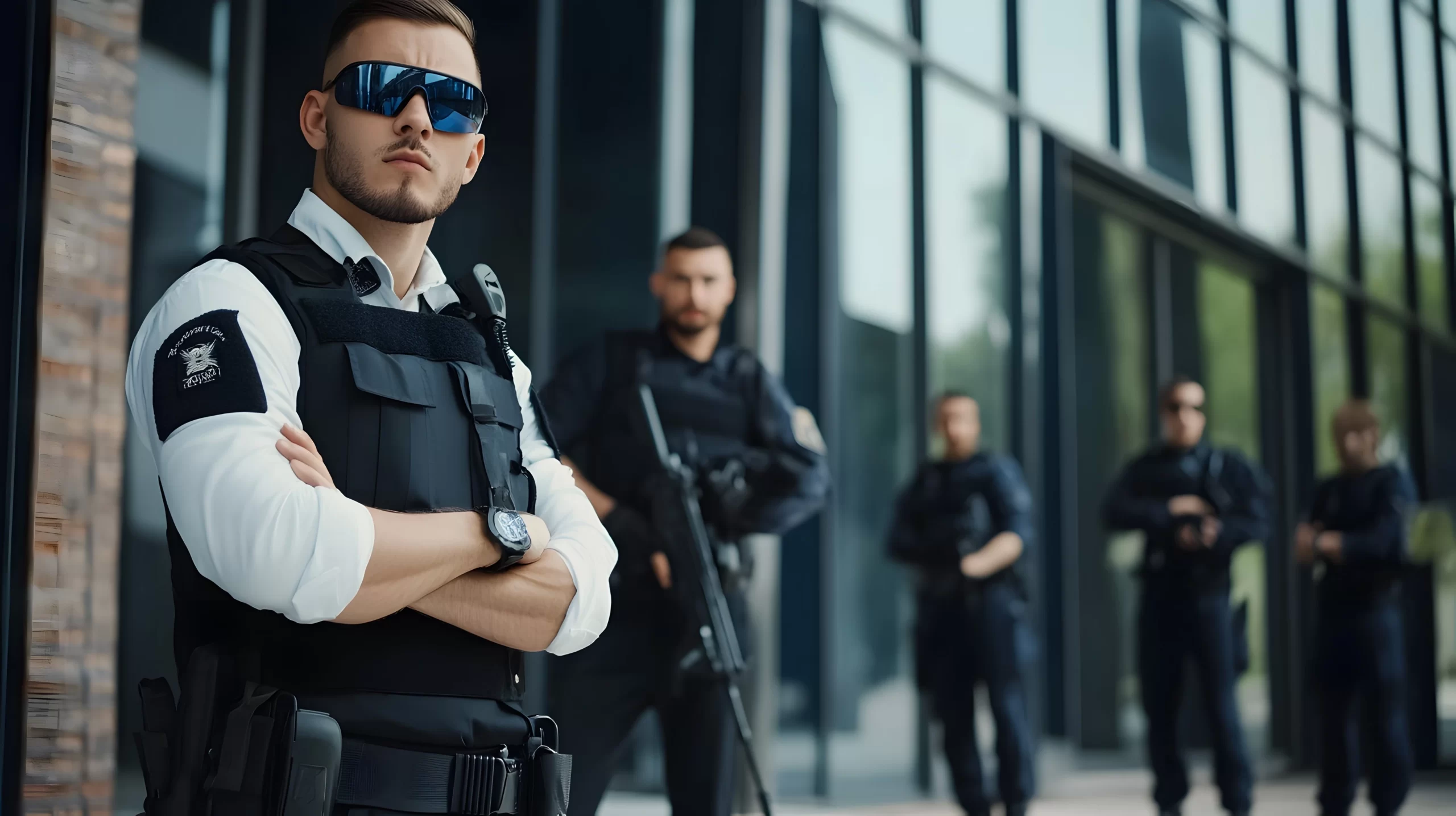
A tactical security guard is not just a uniformed presence; they are a specialized defender with advanced skills in crisis response, risk assessment, and threat management. Unlike standard security guards, tactical professionals are trained to anticipate danger, analyze environments, and take decisive action when safety is compromised.
You can think of a tactical security officer as a hybrid between traditional security and law enforcement, equipped with the ability to de-escalate tense situations and, when necessary, intervene physically with precision and restraint. Their expertise comes from extensive tactical security guard training, which focuses on:
- Advanced physical defense techniques
- Weapon handling and restraint procedures
- Crisis communication skills
- Emergency medical response
- Surveillance and threat analysis
With this foundation, tactical guards can operate in environments where the stakes are significantly higher, such as large public events, sensitive government facilities, and even areas requiring hospital security where patient and staff safety is paramount.
Why Tactical Security Matters in High-Risk Environments
Every high-risk situation—whether it’s a terrorist threat, active shooter scenario, or violent protest—demands more than just a visible deterrent. A tactical security guard brings the strategy, calmness, and hands-on training necessary to keep everyone safe.
Imagine being in a crowded venue where tensions escalate quickly. While a regular guard may focus on maintaining order, a tactical security officer takes charge by identifying the threat early, assessing potential exit strategies, and coordinating with law enforcement if needed. This level of preparedness comes from rigorous tactical security training programs designed to mirror real-world situations.
Tactical security is about proactivity, not reactivity. It’s about preventing escalation before it becomes unmanageable.
Core Strategies Tactical Security Guards Use in High-Risk Situations
1. Threat Assessment and Rapid Decision-Making
The first step in handling any crisis is identifying the potential risk. A tactical security guard is trained to scan environments, evaluate suspicious behavior, and predict how situations may unfold. Through tactical security guard training, they learn how to prioritize threats and make split-second decisions that can save lives.
For example, in a corporate building facing a bomb threat, the tactical security officer must instantly assess whether evacuation, lockdown, or containment is the safest route.
2. Crisis De-Escalation Tactics
Not every high-risk situation requires physical intervention. Often, the ability to calm agitated individuals or negotiate with aggressors prevents violence. Tactical security services emphasize verbal communication, empathy, and authority to defuse conflicts.
This approach is particularly valuable in environments like hospitals, where emotions may run high, and maintaining safety and security in hospital settings is essential.
3. Tactical Intervention and Defensive Action
When de-escalation fails, tactical security guards rely on advanced combat and defense training. Their ability to subdue aggressors without unnecessary force is critical in minimizing harm. Tactical security training includes hand-to-hand combat, restraint techniques, and controlled weapon use.
For instance, if an armed intruder enters a facility, a tactical security guard can quickly implement protective measures, neutralize the threat, and coordinate with law enforcement.
4. Emergency Medical Assistance
High-risk incidents often result in injuries. Unlike traditional guards, tactical security officers are trained in basic medical aid, including CPR, bleeding control, and trauma care. This skill allows them to provide immediate assistance until medical professionals arrive, often saving lives in critical moments.
5. Coordination with Law Enforcement and Teams
A tactical security guard doesn’t work in isolation. They serve as a vital bridge between the incident site and local authorities. Their knowledge of tactical procedures allows them to communicate effectively with police, SWAT, or emergency response teams, ensuring smooth coordination.
6. Use of Advanced Technology
Modern tactical security services integrate technology into every layer of protection. From surveillance drones and biometric access controls to AI-powered threat detection, tactical security guards are trained to use advanced tools that give them an edge in preventing and handling risks.
The Importance of Tactical Security Training
What makes a tactical security guard effective is not just bravery—it’s the result of structured tactical security guard training. Programs are designed to simulate real-life scenarios, preparing guards to react instinctively during crises.
Key Components of Tactical Security Training Include:
- Scenario-Based Exercises: Simulated hostage, riot, or armed intruder situations.
- Weapon and Equipment Proficiency: Training with firearms, tasers, and defensive gear.
- Crisis Communication: Skills to calm hostile individuals and negotiate peacefully.
- Team Coordination: Working with other guards to secure perimeters and manage crowds.
- Psychological Preparedness: Building resilience under stress.
By undergoing such rigorous training, a tactical security officer gains the confidence and ability to step into dangerous environments with clarity and discipline.
Real-World Examples of Tactical Security in Action
- Corporate High-Rise Evacuation: A suspicious package was reported in a busy downtown office tower. Tactical guards immediately assessed the situation, coordinated an orderly evacuation, and worked with police bomb squads to neutralize the threat.
- Hospital Violence Prevention: In a metropolitan hospital, tensions escalated when a patient’s family became aggressive toward medical staff. A tactical security guard intervened calmly, de-escalated the situation, and restored order without force.
- Public Event Riot Control: During a large music festival, unrest broke out among attendees. Tactical officers contained the situation by securing perimeters, guiding crowds to safe exits, and preventing further escalation.
These real-world scenarios highlight why tactical security is indispensable in protecting lives and assets.
The Human Element Behind Tactical Security
While equipment, training, and procedures are crucial, the most important aspect of a tactical security guard is their judgment and presence of mind. Unlike automated security systems, a tactical security officer adapts to the emotions, unpredictability, and humanity within high-risk situations.
They embody discipline, authority, and compassion, ensuring that while safety is prioritized, dignity and respect are not compromised.
The Growing Demand for Tactical Security Services
The need for tactical security continues to rise globally due to:
- Increased terror threats
- More frequent workplace violence
- High-profile events requiring specialized protection
- Growing concerns over cyber threats merging with physical security risks (such as breaches in cyber security hospital systems)
Organizations are increasingly investing in tactical security services not only as a response mechanism but as a preventive strategy. A tactical guard’s presence sends a strong signal of preparedness and resilience.
Tactical Security Guard vs. Standard Security Guard
| Feature | Tactical Security Guard | Standard Security Guard |
| Training | Extensive, specialized (combat, medical, negotiation) | Basic observation & reporting |
| Risk Handling | High-risk, unpredictable environments | Routine, low-risk situations |
| Technology | Advanced surveillance & tactical gear | Basic monitoring tools |
| Responsibility | Crisis intervention, law enforcement coordination | Deterrence & incident reporting |
This comparison shows why organizations requiring elevated safety rely on tactical professionals instead of traditional security guards.
FAQs
Q1: What is the difference between a tactical security guard and a regular security guard?
A tactical security guard undergoes advanced training to handle high-risk situations, while regular guards mainly focus on monitoring and reporting.
Q2: Where are tactical security services most commonly used?
They are often used in government facilities, hospitals, corporate towers, high-profile events, and areas prone to violent disturbances.
Q3: What does tactical security guard training include?
It includes scenario-based simulations, weapon training, medical response, crisis negotiation, and psychological resilience.
Q4: Can a tactical security officer carry firearms?
Yes, depending on the local laws and regulations, many tactical security officers are licensed to carry firearms for protection.
Q5: Why is tactical security important today?
With rising global threats, tactical security provides proactive measures that prevent crises from escalating and ensure public safety.
Final Thoughts
In an unpredictable world, having a tactical security guard on-site is more than a precaution—it’s a necessity. Through extensive tactical security guard training, advanced tactical strategies, and a balance of physical skill and emotional intelligence, these professionals stand as the first line of defense in high-risk environments.
Whether you are an organization looking for a reliable security solution, or simply someone who wants to understand how tactical security services operate, the role of a tactical security officer is clear: to protect, to prevent, and to respond with precision when it matters most.