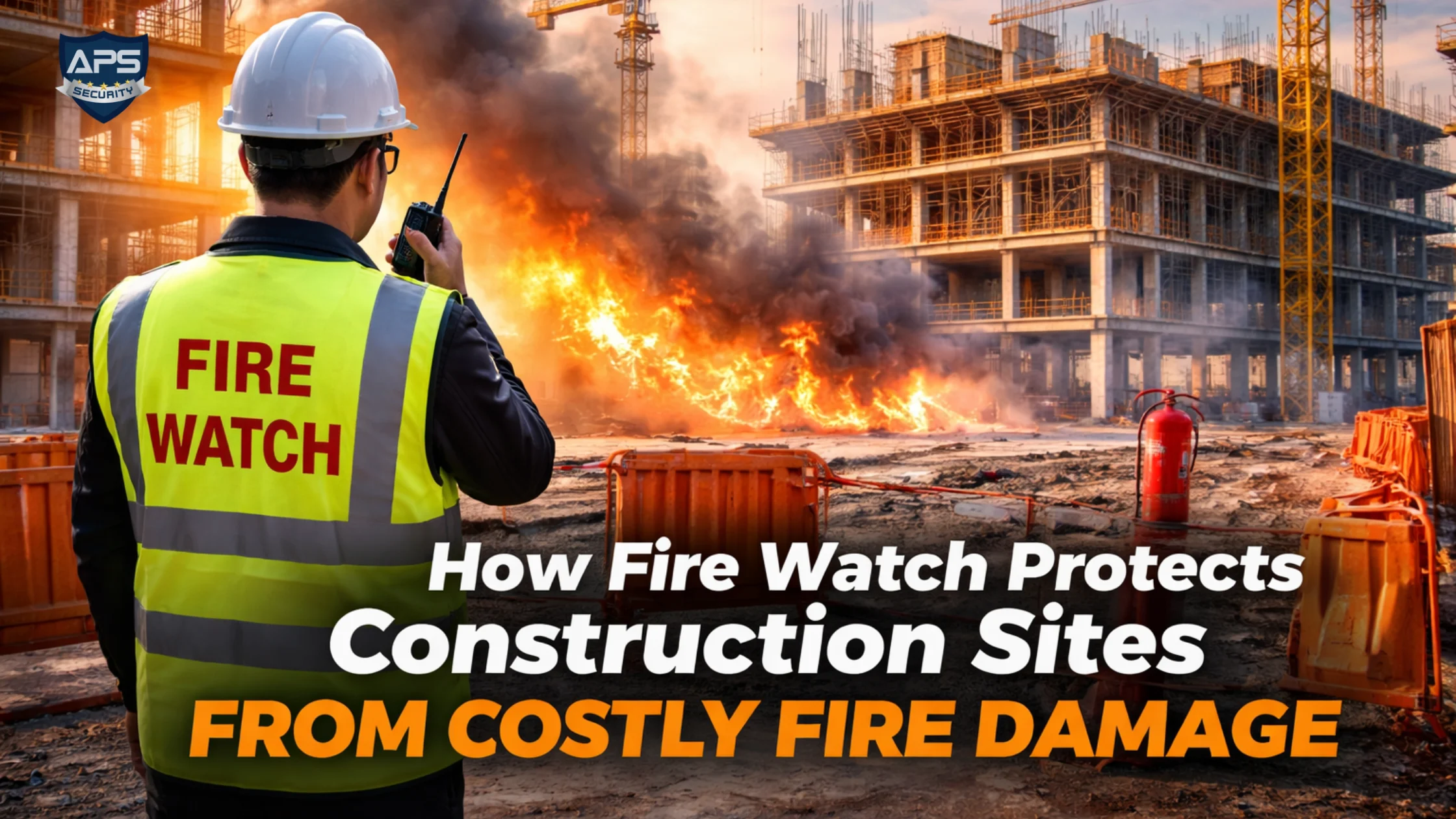
Fire risk is one of the most underestimated threats on active construction projects. With open flames, temporary electrical systems, flammable materials, and constant movement of workers and machinery, even a small spark can turn into a major disaster. This is where fire watch for construction sites becomes a critical safety and cost-saving measure—not just a compliance requirement, but a strategic investment.
In this in-depth guide, you’ll learn how fire watch for construction sites works, why it is essential, and how it protects projects from costly fire damage, delays, legal penalties, and reputational loss.
What Is a Fire Watch for Construction Sites?
Fire watch for construction sites is a dedicated fire prevention service where trained personnel actively monitor a construction area to identify and respond to fire hazards before they escalate. These professionals patrol the site, enforce fire safety rules, and take immediate action if smoke, sparks, overheating equipment, or unsafe practices are detected.
Unlike passive safety systems like alarms or extinguishers, fire watch is human-driven, proactive, and adaptive. Fire watch guards don’t wait for a fire to start—they prevent one from happening in the first place.
Fire watch for construction sites is especially critical during:
- Hot work operations (welding, cutting, grinding)
- Electrical installations
- Equipment testing
- After-hours or overnight periods
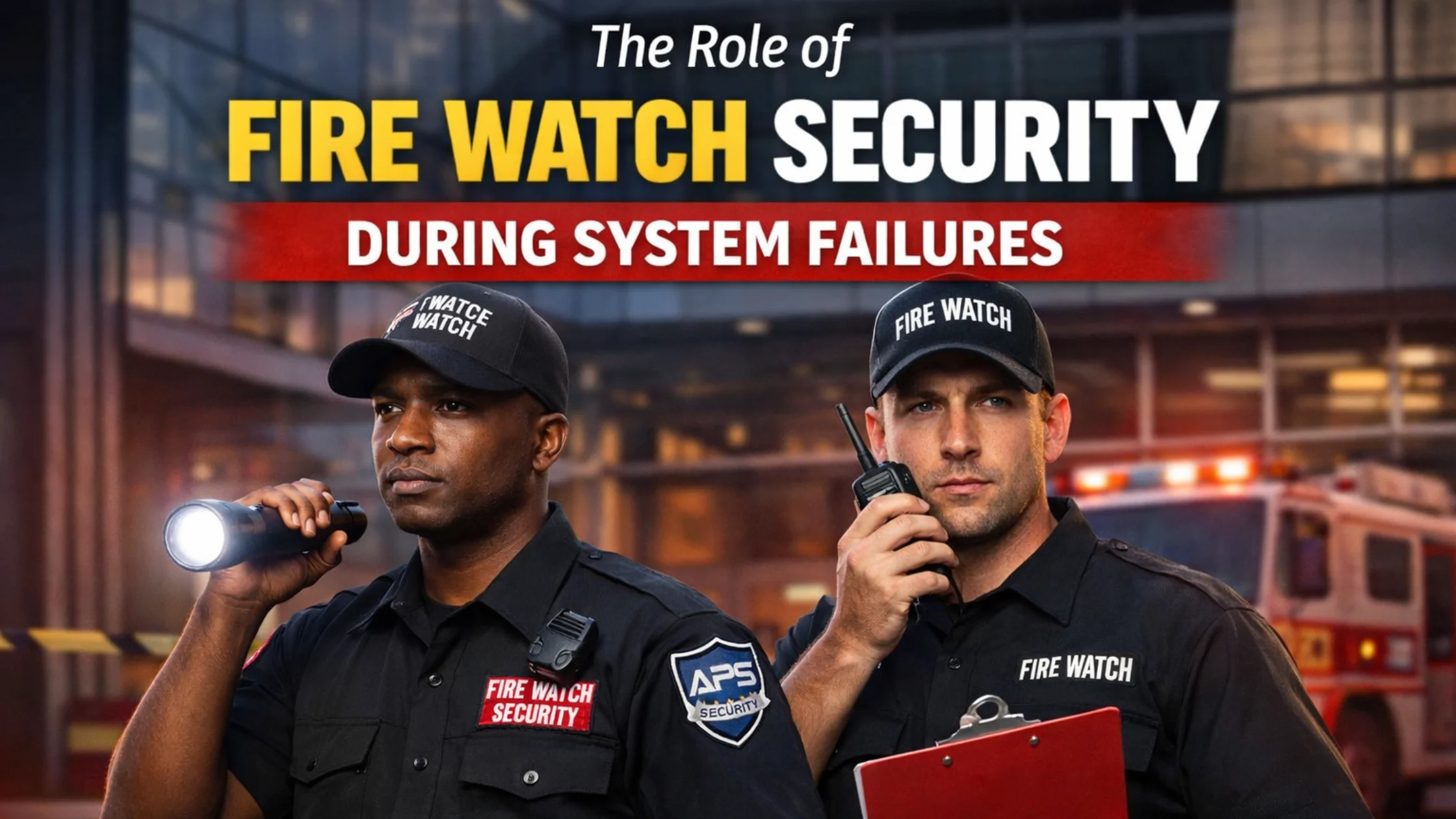
- When fire alarm or sprinkler systems are offline
Why Construction Sites Are Highly Vulnerable to Fire
Understanding the risks helps explain why fire watch for construction sites is so important.
1. Flammable Materials Everywhere
Construction sites store fuel, chemicals, solvents, insulation, lumber, and packaging materials—often in temporary or open areas. A single ignition source can spread fire rapidly.
2. Temporary Electrical Systems
Temporary wiring, generators, and extension cords increase the risk of short circuits, overheating, and sparks.
3. Hot Work Activities
Welding and cutting produce sparks that can travel several meters, igniting materials long after work has stopped.
4. Incomplete Fire Safety Infrastructure
Many sites operate without fully functional fire alarms, sprinklers, or permanent exits until late in the project.
5. Limited Supervision After Hours
Fires often start at night or during off-hours, when fewer workers are present to respond quickly.
Fire watch for construction sites directly addresses each of these vulnerabilities through continuous human oversight.
How Fire Watch for Construction Sites Prevents Fire Damage
Continuous Monitoring and Patrols
Fire watch guards conduct scheduled and random patrols across high-risk zones. This ensures no area goes unchecked, including storage rooms, mechanical areas, and hot work zones.
Early Detection of Fire Hazards
By spotting smoke, heat buildup, unusual smells, or unsafe practices early, fire watch for construction sites prevents small issues from turning into catastrophic fires.
Immediate Response and First Action
Fire watch personnel are trained to:
- Use fire extinguishers correctly
- Alert emergency services immediately
- Initiate evacuation procedures
- Contain fire spread until firefighters arrive
Early response alone can save millions in property damage.
Fire Watch for Construction Sites During Hot Work Operations
Hot work is one of the leading causes of construction fires. Regulations in many regions require fire watch for construction sites whenever hot work is performed.
Key Responsibilities During Hot Work:
- Monitoring sparks and slag fallout
- Ensuring fire-resistant barriers are in place
- Observing the area during work and for at least 30–60 minutes afterward
- Checking hidden or adjacent spaces where sparks may travel
Without proper fire watch for construction sites, fires can ignite long after workers have left.
Compliance, Regulations, and Legal Protection
Fire safety regulations increasingly mandate fire watch for construction sites under specific conditions. Failing to comply can result in:
- Heavy fines
- Stop-work orders
- Project shutdowns
- Legal liability in case of injury or loss
By implementing professional fire watch for construction sites, companies demonstrate due diligence and compliance—protecting themselves from legal and financial consequences.
How Fire Watch Saves Money on Construction Projects
1. Prevents Property and Equipment Loss
Replacing burned equipment or rebuilding damaged structures can derail budgets. Fire watch for construction sites prevents these losses entirely.
2. Avoids Project Delays
Fire incidents often halt construction for investigations, repairs, and insurance claims. Fire watch keeps projects on schedule.
3. Lowers Insurance Claims and Premiums
Insurers view fire watch for construction sites as a strong risk-reduction measure, potentially lowering premiums and claim disputes.
4. Protects Brand Reputation
A major fire can permanently damage a contractor’s reputation. Fire watch demonstrates professionalism and safety leadership.
Fire Watch vs. Automated Fire Systems
While alarms and sprinklers are essential, they are reactive, not preventive.
| Feature | Automated Systems | Fire Watch for Construction Sites |
| Detection | After ignition | Before ignition |
| Flexibility | Fixed | Adaptive |
| Human Judgment | None | High |
| Temporary Setup | Limited | Ideal |
| After-Hours Coverage | Passive | Active |
The best approach combines both—but when systems are offline, fire watch for construction sites becomes non-negotiable.
Who Needs Fire Watch for Construction Sites?
Fire watch is essential for:
- General contractors
- Commercial builders
- Industrial construction firms
- Renovation and retrofit projects
- Infrastructure and civil works
- High-rise developments
If your project involves fire risks, fire watch for construction sites is not optional—it’s essential.
Choosing the Right Fire Watch for Construction Sites Provider
When selecting a provider, look for:
- Trained and certified personnel
- Experience in construction environments
- Clear reporting and documentation
- 24/7 availability
- Understanding of local fire codes
A reliable fire watch for construction sites provider acts as an extension of your safety management team.
Role of Fire Watch in Emergency Preparedness
Fire watch personnel:
- Know evacuation routes
- Coordinate with site supervisors
- Communicate clearly during emergencies
- Assist emergency responders with site knowledge
This preparedness significantly reduces chaos and response time during critical moments.
Fire Watch for Construction Sites and Worker Safety
Beyond property protection, fire watch directly safeguards lives. Workers feel safer knowing trained professionals are actively monitoring risks, which:
- Improves morale
- Encourages safety compliance
- Reduces workplace accidents
Safety culture starts with visible action—and fire watch for construction sites delivers exactly that.
How Fire Watch Supports Sustainable Construction
Fires cause material waste, emissions, and environmental damage. Preventing fires through fire watch for construction sites:
- Reduces waste
- Protects surrounding communities
- Supports sustainable building practices
Fire Watch Documentation and Reporting
Professional fire watch services maintain detailed logs, including:
- Patrol times
- Hazard observations
- Corrective actions taken
- Incident reports
These records help with audits, insurance claims, and regulatory inspections.
Future of Fire Watch for Construction Sites
With increasing project complexity and stricter regulations, demand for fire watch for construction sites is growing. Integration with digital reporting, AI-assisted monitoring, and smart safety planning will further enhance effectiveness—but human vigilance will always remain central.
FAQs: Fire Watch for Construction Sites
1. What is fire watch for construction sites?
Fire watch for construction sites is a safety service where trained personnel monitor fire hazards, prevent ignition, and respond quickly to fire risks.
2. When is fire watch required on construction sites?
Fire watch is required during hot work, when fire systems are offline, or when mandated by local fire codes.
3. How long should fire watch remain after hot work?
Typically 30–60 minutes after completion, depending on regulations and risk level.
4. Can fire watch replace fire alarm systems?
No. Fire watch complements systems, especially when alarms or sprinklers are unavailable.
5. Is fire watch for construction sites mandatory?
In many jurisdictions, yes—especially for high-risk activities.
Final Thoughts
Fire incidents on construction sites are preventable, and the cost of prevention is far lower than the cost of recovery. By investing in fire watch for construction sites, builders and contractors protect lives, assets, timelines, and reputations.
If you want a safer, compliant, and more resilient construction project, fire watch isn’t an option—it’s a necessity.