
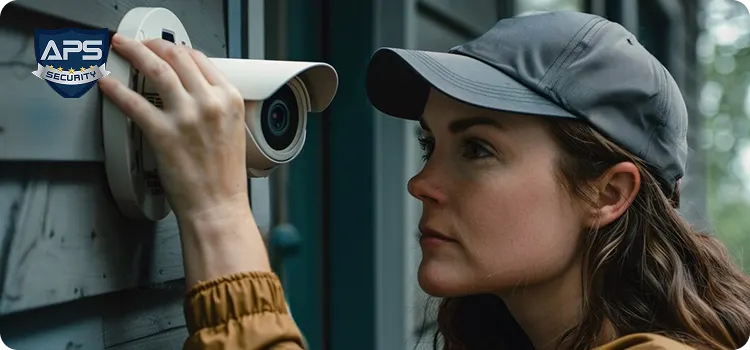
Choosing the best outdoor security cameras for your home can feel overwhelming—especially when every brand claims to offer the most advanced features. Whether you’re exploring options as a homeowner, guiding a friend, or researching for a family member, understanding what truly matters can help you narrow down the right choice. In this guide, we break down everything you need to know about selecting the best outdoor security camera system, and the essential features that make an outdoor camera system worth the investment.
What Are the Best Outdoor Security Cameras?
When people search for the best outdoor security cameras, they typically look for a combination of reliability, durability, smart features, and affordability. An outdoor camera must withstand harsh weather, capture clear footage day and night, and offer seamless integration with your home. The “best” options vary depending on your property size, budget, and security needs.
Types of Outdoor Security Cameras
Here are the main categories you’ll choose from:
1. Wired Outdoor Cameras
- Ideal for long-term, high-quality surveillance
- No battery charging
- Requires professional or DIY electrical setup
2. Wireless Outdoor Cameras
- Easy installation
- Battery-powered or solar-powered
- Works well for renters or temporary setups
3. Floodlight Cameras
- Combines lighting + camera + siren
- Great for deterring intruders
4. PTZ (Pan-Tilt-Zoom) Cameras
- Moves horizontally and vertically
- Excellent for monitoring large yards or wide areas
5. Outdoor Doorbell Cameras
- Ideal for entryway monitoring
- Includes two-way audio and motion alerts
Knowing which type fits your home helps you narrow down the outdoor security camera system that suits your long-term safety goals.
Why Do You Need the Best Outdoor Camera for Home Protection?
Whether you’re concerned about package theft, nighttime trespassing, or general property protection, the right outdoor camera system plays a major role in home safety.
Key Benefits
- Deters intruders before crime happens
- Captures evidence in case of an incident
- Helps with loss prevention
- Gives you real-time alerts about outdoor activity
- Enhances your security camera system for home
- Supports insurance claims
- Improves peace of mind when traveling
Outdoor cameras are no longer optional—they’re essential parts of modern home security.
How to Choose the Best Outdoor Security Camera System
Selecting the best outdoor security camera system requires evaluating features, design, and compatibility. Below is a detailed breakdown of the factors that matter most.
1. Check the Video Quality
When evaluating the best outdoor security cameras, resolution is your first checkpoint. Clear footage ensures you can read license plates, identify faces, and zoom into details without blur.
Recommended Resolution Levels
- 1080p Full HD: Good quality for basic monitoring
- 2K: Sharper details; better zoom clarity
- 4K Ultra HD: Best clarity for large properties or long-range monitoring
Voice Search Question:
“What video resolution do I need for outdoor security cameras?”
If you want crisp footage and the ability to zoom without losing clarity, 2K or 4K is ideal.
2. Choose the Right Field of View (FOV)
Field of view determines how much area the camera can capture in one frame.
Recommended FOV
- 120°: Standard coverage
- 160°–180°: Ultra-wide coverage, great for driveways or yards
The best outdoor camera should cover maximum area with minimal blind spots.
3. Look for Strong Night Vision Capabilities
Night vision is one of the most critical features of any outdoor camera system.
Types of Night Vision
- Infrared (IR) Night Vision – standard, black-and-white
- Color Night Vision – uses low light + AI to show color
- Spotlight Night Vision – uses built-in LED lights
For maximum clarity, choose cameras with:
- Full-color night vision
- At least 30–50 ft range
4. Check Weather-Resistance Ratings (IP Ratings)
Outdoor cameras must withstand rain, dust, heat, and snow.
What is an IP rating?
It measures protection against dust and water.
Recommended IP Ratings
- IP65: Splash-proof
- IP66: Rain and dust-proof
- IP67: Water-resistant and submersible
If you live in an area with heavy rain or snow, choose IP67 for advanced durability.
5. Compare Power Options (Battery, Wired, or Solar)
Your camera’s power source affects installation and maintenance.
| Power Source | Pros | Cons | Best For |
| Wired | No charging | Harder installation | Permanent homes |
| Battery | Easy install | Need recharging | Renters, flexibility |
| Solar | Eco-friendly | Needs sunlight | Yards, rooftops |
For long-term performance, wired is best. For convenience, battery is ideal.
6. Look for Smart AI Features
AI-powered detection makes the best outdoor security cameras smarter and more efficient.
Top AI Features to Consider
- Human detection
- Vehicle detection
- Package detection
- Animal detection
- Facial recognition (brand-dependent)
- Motion zone customization
These features reduce false alerts and improve your monitoring accuracy.
7. Two-Way Audio and Built-In Sirens
If you want real-time interaction and better deterrence, choose cameras with:
- Two-way communication
- Built-in siren alarms
- Automatic alarm triggers
These are ideal for deterring trespassers or warning delivery people.
8. Storage Options (Cloud vs Local Storage)
Your outdoor camera system must store footage securely.
Cloud Storage Pros
- Accessible anywhere
- No physical storage needed
Local Storage Pros
- No monthly fees
- Uses microSD or NVR systems
Best Practice
Choose a camera that supports both cloud and local storage to ensure maximum flexibility.
9. Smart Home Compatibility
A modern outdoor security camera system should work with:
- Alexa
- Google Home
- Apple HomeKit
- IFTTT
This helps you integrate voice control and automated routines into your home.
10. Installation and Mounting Options
Ask yourself:
- Can I install it myself?
- Do I need wall-mount or ceiling-mount designs?
- How far is the nearest power outlet?
The best outdoor camera should be easy to install without drilling complications.
What Is the Best Outdoor Security Camera System for Large Homes?
If you have a large property, look for:
- Multiple-camera systems (4–8 cameras)
- Wide-angle lenses
- PTZ cameras for yard coverage
- NVR-based outdoor camera systems
- 4K Ultra HD resolution
These options ensure full perimeter coverage.
Wireless or Wired: Which System is Better?
Choose Wired If:
- You want no battery maintenance
- You prefer 24/7 continuous recording
Choose Wireless If:
- You want quick installation
- You have no wiring points outdoors
- You want portable setup
Both offer reliability, but your property setup determines the ideal pick.
How Much Should You Spend on the Best Outdoor Cameras?
Budget Guide
- Under $100: Basic models
- $100–$200: Mid-range, great features
- $200–$400: High-end models with advanced AI
- $500+ Systems: Professional multi-camera systems
Choose based on your property size and security expectations.
Common Mistakes to Avoid When Buying Outdoor Cameras
- Ignoring night vision capabilities
- Choosing low-resolution models
- Forgetting to check cloud storage fees
- Not evaluating WiFi strength outdoors
- Ignoring weather ratings
- Buying cameras without motion zone customization
Avoid these mistakes for a hassle-free installation and effective surveillance.
FAQs
1. What is the best outdoor security camera for nighttime?
Cameras with full-color night vision, strong IR sensors, and built-in spotlights offer the best nighttime clarity.
2. Can I install an outdoor security camera without WiFi?
Yes. Some wired cameras record to an NVR without needing WiFi, but you’ll lose remote access.
3. Do outdoor security cameras work in the rain?
Yes, but ensure the camera has at least IP65 or higher weather resistance.
4. Can outdoor cameras record 24/7?
Wired cameras and NVR systems support continuous recording. Wireless battery-powered cameras typically use motion-triggered recording.
5. How many outdoor security cameras do I need?
Most homes require 2–4 cameras to cover entry points, driveways, and backyards.
6. What is the difference between an outdoor camera system and a single security camera?
An outdoor camera system includes multiple cameras + NVR/cloud storage for full home coverage, while single cameras cover individual areas.
Final Takeaway
Choosing the best outdoor security cameras for your home requires evaluating resolution, night vision, weather resistance, storage options, smart AI features, and installation preferences. Whether you’re selecting a single device or a full outdoor security camera system, the goal is to enhance your home’s safety, deter intruders, and gain peace of mind.
By following this structured guide, you can confidently pick the best outdoor camera that fits your budget, lifestyle, and location—ensuring long-lasting protection for your home.