
When you walk into a bustling shopping mall, you’re stepping into a world designed for convenience, leisure, and shopping pleasure. But behind that seamless experience lies a crucial layer of protection — the mall security guard. These professionals play an indispensable role in maintaining safety, preventing theft, and ensuring smooth operations across large retail complexes.
In today’s era of advanced mall security and digital security in Canadian malls, the importance of trained security personnel has never been greater. Let’s dive into why having skilled, alert, and trained mall security guards is essential for the safety and success of modern shopping environments.
The Evolving Role of a Mall Security Guard
The modern shopping mall security guard is far more than a uniformed presence. Their role has evolved from simply patrolling corridors to being first responders, customer assistants, and even technology operators. In large retail complexes that attract thousands of visitors daily, the presence of trained guards ensures both prevention and quick response to incidents.
A trained mall security professional:
- Monitors CCTV and alarm systems
- Controls entry and exit points
- Conducts emergency evacuations
- Assists lost customers or children
- Responds promptly to theft, vandalism, or medical emergencies
These responsibilities demand not just physical presence, but also intelligence, communication skills, and crisis management expertise.
Why Training Matters for Shopping Mall Security Guards
The difference between an average and an exceptional shopping center security team lies in their training. Security threats today are not limited to shoplifting or property damage. Cyber threats, data breaches, and coordinated crimes have changed the landscape.
Training ensures guards can:
- Identify suspicious behavior — Trained guards can detect early signs of potential threats.
- Respond to emergencies effectively — From fire drills to medical crises, response time is critical.
- Operate advanced surveillance equipment — Integration with retail security technology requires tech-savvy personnel.
- Communicate efficiently — Guards must coordinate with mall management, local law enforcement, and emergency services.
In essence, trained security guards combine human intuition with digital tools, offering unmatched protection and peace of mind.
Integration of Retail Security Technology
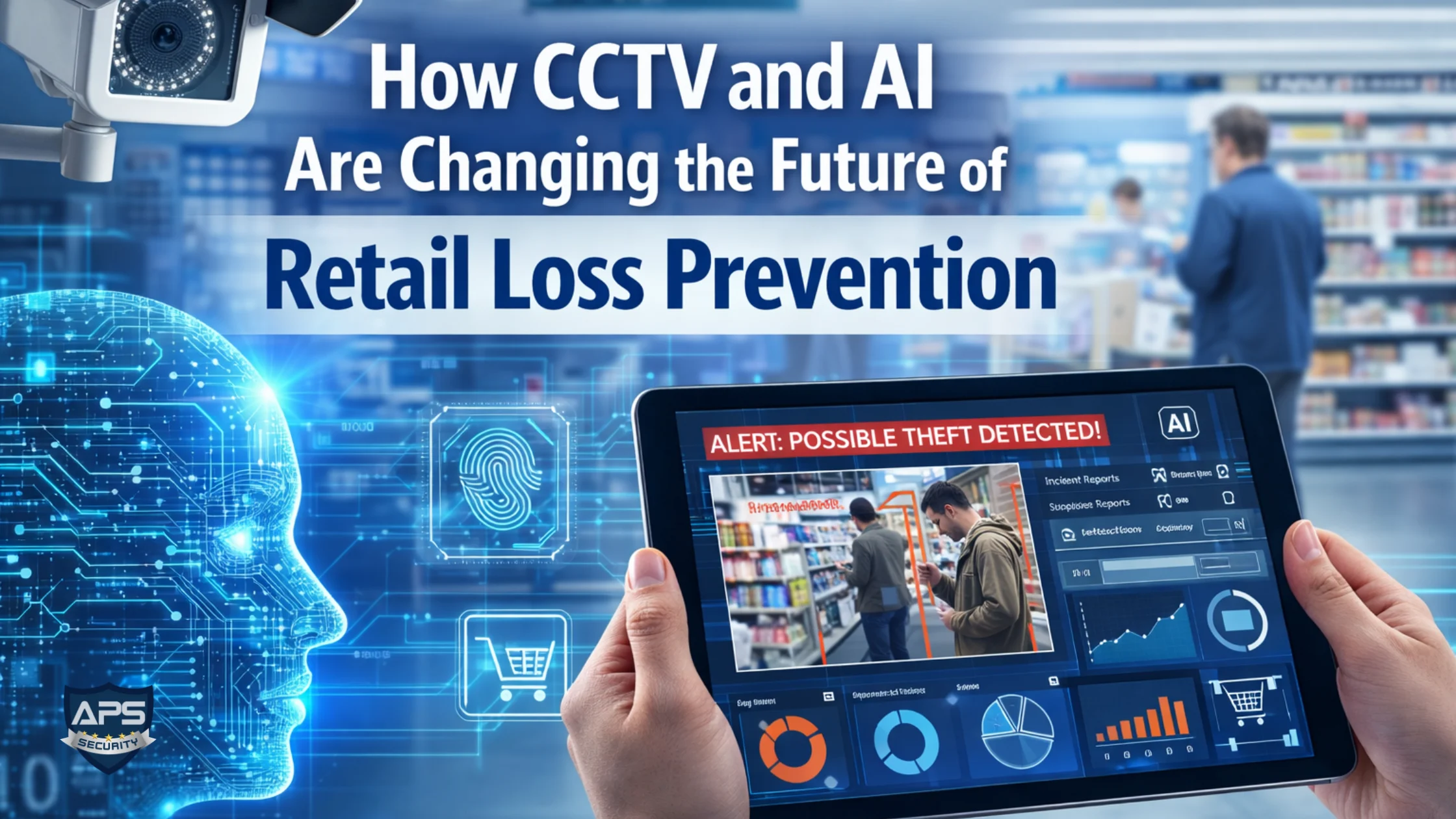
Technology has become the backbone of advanced mall security systems. Large shopping complexes now employ a combination of AI-powered cameras, biometric access controls, and real-time monitoring dashboards.
However, even the most sophisticated retail security technology cannot function effectively without skilled professionals. Trained guards interpret alerts, verify anomalies, and act decisively — something machines alone cannot do.
For instance, AI security solutions for shopping centers can analyze behavioral patterns and identify unusual activities, but human oversight ensures accurate judgment. This synergy between human expertise and digital systems creates a smart, safe, and responsive environment.
The Human Element: Beyond Machines and Algorithms
While automation has streamlined many areas of shopping center security, the human element remains irreplaceable. Customers feel more comfortable when they see a mall security guard patrolling — it reassures them that someone is actively safeguarding their well-being.
Trained guards bring empathy and experience — two traits no algorithm can replicate. They can de-escalate tense situations, assist elderly visitors, and handle emergencies with compassion. This human touch strengthens customer trust and enhances the overall shopping experience.
Enhancing Customer Experience Through Security
Security isn’t just about protection — it’s about creating a welcoming environment. When shoppers feel safe, they spend more time and money in the mall. A visible shopping mall security guard presence reassures families, children, and tourists.
Moreover, guards also play a key role in customer assistance. Whether guiding visitors to stores or helping locate lost belongings, their approachable demeanor contributes to a mall’s reputation for safety and service excellence.
In large complexes, especially those that attract international visitors, digital security in Canadian malls has become an essential feature. Protecting both physical and digital assets (like customer data and Wi-Fi networks) ensures comprehensive security.
AI and Digital Transformation in Mall Security
The security industry is rapidly adopting artificial intelligence, making AI security solutions for shopping centers a game changer. These systems use machine learning and real-time analytics to detect potential threats before they escalate.
Examples include:
- Facial recognition for identifying known offenders
- Predictive analytics to forecast crowd movements
- Smart sensors for monitoring restricted zones
- Automated alerts integrated with mobile patrol teams
But technology alone isn’t enough. Trained mall security professionals must interpret and act on these insights. The balance between automation and human decision-making ensures both efficiency and accuracy.
Challenges in Modern Mall Security
Managing shopping center security in large complexes comes with unique challenges:
- High foot traffic: Thousands of people visit malls daily, increasing surveillance demands.
- Diverse threats: From petty theft to organized retail crime, risks vary widely.
- Digital vulnerabilities: With smart systems comes the threat of hacking and data breaches.
- Emergency preparedness: Fires, medical emergencies, and natural disasters require trained responses.
Trained guards equipped with advanced mall security tools can mitigate these challenges effectively. Their adaptability and situational awareness make them the first line of defense against evolving threats.
Building Trust with Expertise and Professionalism
Experience, expertise, and professionalism are the cornerstones of effective mall security operations. Retailers and mall management must invest in comprehensive training programs, regular drills, and updated certifications for their security teams.
When guards demonstrate calmness under pressure, communicate effectively, and maintain vigilance, they foster a safe environment that enhances the mall’s reputation. A strong, visible, and approachable security presence reassures shoppers and deters potential offenders.
To ensure consistent safety, malls in regions like British Columbia often rely on the best security services in British Columbia for professional guidance and manpower. Whether it’s through a uniformed security officer stationed at entrances or mobile patrol services monitoring large parking areas, a strategic mix of resources ensures 360° protection.
Future Trends in Advanced Mall Security
The future of shopping mall security guard operations is deeply tied to innovation. As malls grow smarter, security must evolve alongside. Key trends include:
- AI-driven surveillance systems for proactive threat detection.
- IoT-enabled security infrastructure connecting cameras, sensors, and alarms.
- Cybersecurity integration to protect digital payment and loyalty systems.
- Data-driven patrol planning based on visitor analytics.
- Green and sustainable security models using energy-efficient devices.
The fusion of retail security technology with human expertise ensures a safer, smarter, and more customer-centric shopping experience.
Frequently Asked Questions (FAQs)
1. What is the primary role of a mall security guard?
A mall security guard ensures the safety of shoppers, staff, and property by monitoring activities, managing emergencies, and preventing theft or disturbances.
2. Why is training important for shopping center security personnel?
Training equips guards with crisis management, surveillance operation, and customer service skills, enabling them to respond effectively to various situations.
3. How does technology improve shopping mall security?
Retail security technology such as AI-powered cameras and smart sensors enhances real-time monitoring, threat detection, and overall response efficiency.
4. What are AI security solutions for shopping centers?
These include facial recognition, predictive analytics, and automated alerts that help security teams prevent potential threats before they occur.
5. How can digital security in Canadian malls protect visitors?
It safeguards both physical and cyber spaces — protecting customer data, digital payments, and online systems from unauthorized access.
Conclusion:
In the dynamic world of retail, the presence of a well-trained mall security guard is not just a necessity — it’s an assurance. They are the unsung heroes who ensure that shoppers can browse freely, children can play safely, and businesses can operate confidently.
By combining human intelligence with AI security solutions for shopping centers and digital security in Canadian malls, large retail complexes can maintain an environment of safety, trust, and reliability. Investing in trained guards and advanced systems is the ultimate strategy for safeguarding both people and property in today’s ever-evolving retail landscape.