
Understanding tactical security guard duties is essential if you’re responsible for protecting high-risk people, properties, or operations. Whether you’re a business owner, facility manager, or someone exploring a security career, this guide explains what tactical security guards do, how they operate, and why their role is critical in modern threat environments.
Unlike traditional guards, tactical teams are trained for proactive risk management, rapid response, and controlled use of force. In this article, I’ll walk you through their responsibilities, daily tasks, skills, and real-world applications—so you know exactly what to expect when hiring or becoming one.
What Is a Tactical Security Guard?
A tactical security guard is a highly trained security professional assigned to environments with elevated risk levels. These guards operate in places where standard security presence is not enough—such as critical infrastructure, high-value assets, corporate executives, or sensitive events.
From my experience working with security frameworks, tactical guards focus on prevention, deterrence, and immediate response. You’ll often see them equipped with advanced gear, strong situational awareness, and clear operational protocols.
Key Characteristics of Tactical Security Guards
- Advanced threat assessment skills
- Defensive and offensive response training
- Knowledge of access control and surveillance
- Ability to operate under pressure
This role demands discipline, accountability, and constant readiness.
Why Are Tactical Security Guard Duties Important?
The importance of tactical security guard duties lies in their ability to prevent incidents before they escalate. Unlike reactive models, tactical security is proactive.
If you’re managing a high-risk environment, you need guards who can:
- Identify suspicious behavior early
- Neutralize threats safely
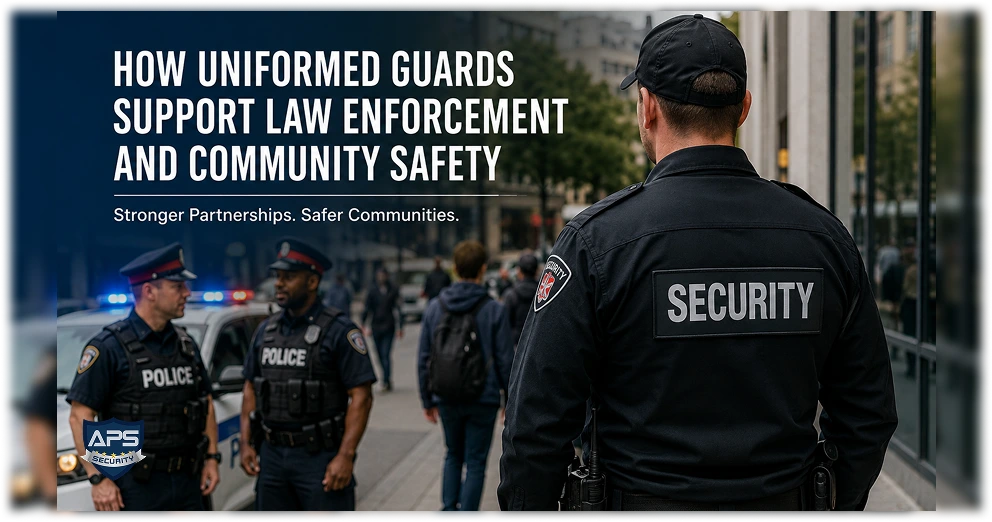
- Coordinate with law enforcement
- Protect lives and assets
For organizations, tactical security reduces operational downtime, liability exposure, and reputational damage.
Core Tactical Security Guard Duties Explained
Let’s break down the most important tactical security guard responsibilities in a structured, easy-to-understand way.
1. Threat Detection and Risk Assessment
One of the primary Tactical Security Guard Duties is identifying potential threats before they turn into incidents.
Guards are trained to:
- Monitor human behavior patterns
- Detect surveillance or reconnaissance activity
- Identify security vulnerabilities
- Conduct ongoing risk assessments
This proactive approach allows you to stay ahead of potential dangers.
2. High-Visibility Deterrence
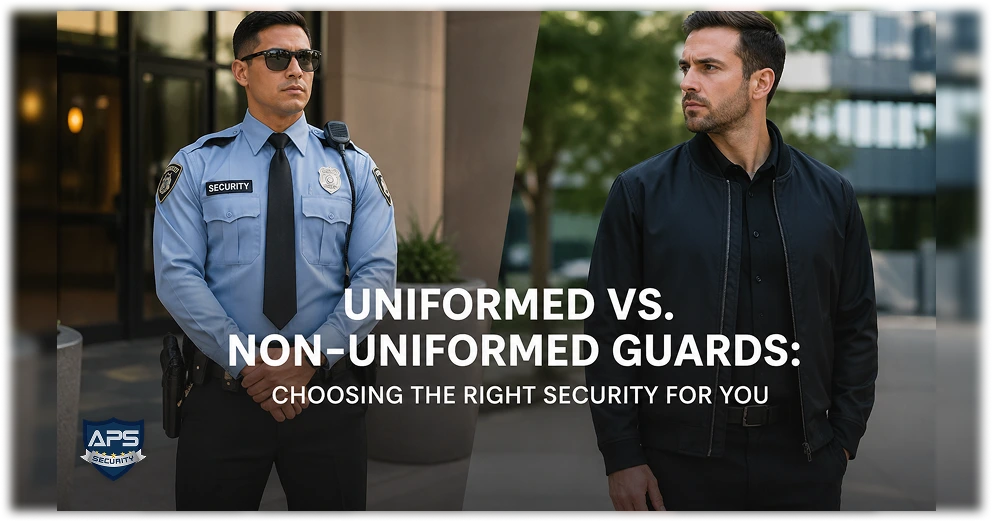
A visible tactical presence alone can deter criminal activity. Professional uniforms, controlled movement, and alert posture send a clear signal: this area is protected.
Professional tactical security guards understand how presence influences behavior. You’ll notice fewer security breaches simply because threats avoid well-defended targets.
3. Access Control and Perimeter Security
Another critical part of Tactical Security Guard Duties is controlling who enters and exits secure areas.
This includes:
- Verifying credentials
- Managing secure checkpoints
- Monitoring restricted zones
- Preventing unauthorized access
If you run a corporate facility or sensitive site, this duty alone can prevent major security incidents.
4. Rapid Incident Response
When an incident occurs, tactical guards are trained to act immediately and decisively.
Their responsibilities include:
- De-escalating confrontations
- Containing threats
- Protecting civilians and staff
- Coordinating emergency response
Unlike basic security, tactical response prioritizes control without panic.
5. Armed and Unarmed Defensive Operations
Depending on jurisdiction and assignment, a tactical security guard may be armed or unarmed. Either way, they are trained in defensive tactics, restraint methods, and lawful use of force.
This ensures:
- Compliance with regulations
- Minimal risk to bystanders
- Proportionate response to threats
For you, this means higher safety and lower legal exposure.
6. Surveillance and Intelligence Gathering
Modern Tactical Security Guard Duties often involve advanced surveillance.
Guards may:
- Monitor CCTV and access systems
- Conduct foot and vehicle patrols
- Document suspicious activities
- Share intelligence reports
These actions support broader loss prevention security services strategies when protecting retail, logistics, or high-value assets.
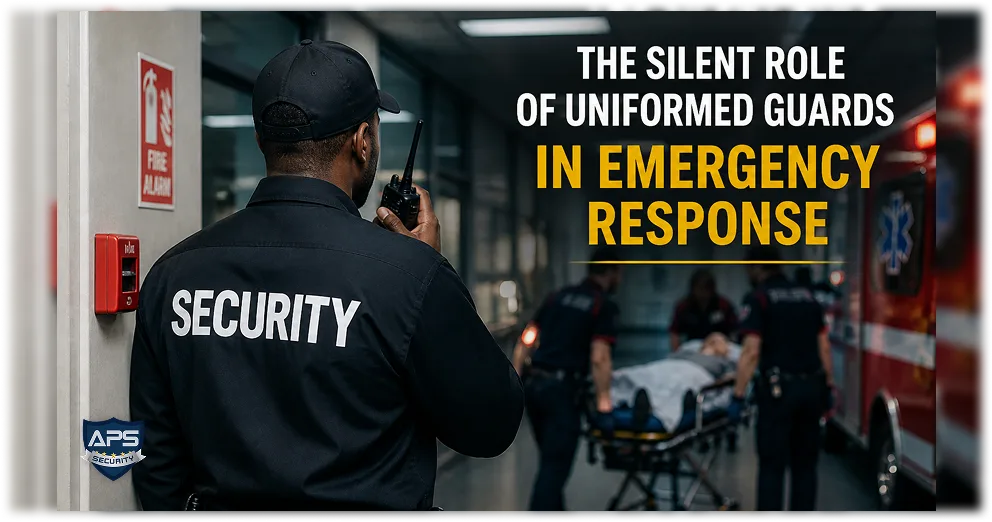
7. Emergency and Crisis Management
Tactical guards are trained for worst-case scenarios.
They assist during:
- Fire evacuations
- Medical emergencies
- Active threat situations
- Natural disasters
Their calm, methodical approach helps you maintain order when every second counts.
Where Are Tactical Security Guards Commonly Deployed?
You might be wondering: Do I really need tactical security?
Tactical guards are typically deployed in:
- Corporate headquarters
- Industrial and energy facilities
- High-profile events
- Government and diplomatic sites
- Executive and VIP protection
- Facilities requiring security services Canada standards
If your environment involves elevated risk, tactical security is not optional—it’s essential.
Skills Required for Tactical Security Guard Duties
To perform Tactical Security Guard Duties effectively, guards must develop both physical and cognitive skills.
Essential Skills Include:
- Situational awareness
- Conflict management
- Tactical communication
- Physical fitness
- Legal and ethical judgment
From your perspective as a client or employer, these skills translate into reliability and professionalism.
How Are Tactical Security Guards Trained?
Training goes far beyond basic guard instruction.
Programs typically cover:
- Threat recognition and response
- Defensive tactics and use-of-force laws
- Surveillance and reporting
- Emergency coordination
- Scenario-based simulations
This rigorous preparation ensures tactical guards are ready for real-world challenges—not just routine patrols.
Tactical Security Guard Duties vs Regular Security Duties
| Aspect | Regular Guard | Tactical Guard |
| Training Level | Basic | Advanced |
| Risk Handling | Reactive | Proactive |
| Equipment | Standard | Tactical |
| Response Capability | Limited | Rapid & controlled |
Understanding this difference helps you choose the right level of protection.
FAQs:
1. What are tactical security guard duties in simple terms?
They involve protecting people and property through advanced training, proactive threat detection, and rapid response.
2. Can tactical security guards prevent incidents?
Yes. Their main goal is prevention through visibility, intelligence, and early intervention.
3. Are tactical security guards armed?
Some are, depending on regulations and assignments. All are trained in lawful use of force.
4. Do I need tactical security for my business?
If your business faces higher-than-average risk, tactical security offers stronger protection than standard guarding.
5. How do tactical security guards differ from bodyguards?
Bodyguards focus on individuals, while tactical guards protect environments, assets, and groups.
Final Takeaway
In today’s risk-heavy environment, tactical security guard duties go far beyond standing watch. These professionals combine training, awareness, and decisive action to protect what matters most.
If you want proactive protection, faster response, and reduced risk exposure, tactical security is a smart investment. Whether you’re hiring or learning, understanding these duties helps you make informed, confident decisions.