From concerts and festivals to sports games and corporate conferences, public events bring people together to celebrate, connect, and share experiences. However, with large crowds come serious security risks — theft, disorderly conduct, crowd surges, medical emergencies, and even potential threats. That’s why uniformed security guards play a crucial role in ensuring safety, order, and peace of mind for everyone involved.
In this comprehensive guide, we’ll explore why event security is so vital, how trained security guards operate, and what you can do to make your next event safer and more successful.
What Is Public Event Security?
Public Event Security refers to all safety measures and procedures designed to protect attendees, staff, and property during large gatherings. It involves both human personnel — such as professional security guards — and technological systems like CCTV, access control, and emergency communication tools.
Security at events isn’t just about preventing crime; it’s about managing risk, ensuring smooth operations, and creating a safe environment where people can enjoy themselves without fear or disruption.
Examples of Public Events That Require Security Guards
- Music festivals and concerts
- Sporting events and tournaments
- Political rallies and community gatherings
- Religious events and processions
- Trade shows, expos, and conventions
- Charity fundraisers and public parades
Each event has unique risks, but all share one common need — reliable, well-trained security guards.
Why Are Security Guards Important at Public Events?
1. Ensuring Crowd Control and Safety
Crowd management is one of the biggest challenges at any large event. Without proper supervision, crowd surges or panic situations can lead to injuries or even fatalities. Best trained crowd management security personnel at Public Events are skilled in crowd psychology and movement management, helping maintain calm and prevent chaos.
They:
- Guide attendees safely through entry and exit points.
- Prevent overcrowding in sensitive areas.
- Quickly respond to signs of agitation or disorder.
- Coordinate evacuation if emergencies occur.
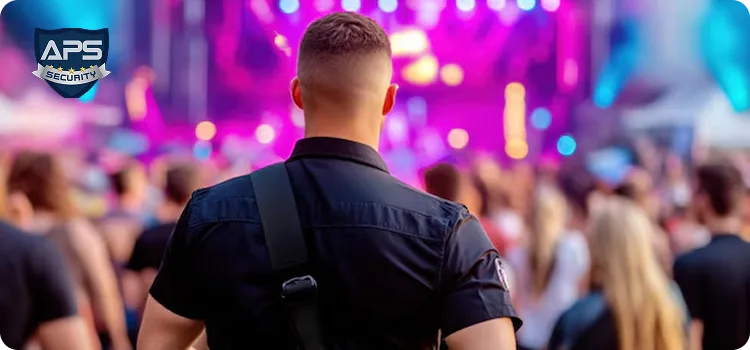
Example: During large concerts, guards are often stationed near barricades and exits to ensure people don’t push or climb over restricted zones — reducing the risk of stampedes.
2. Preventing Unauthorized Access
Every event has restricted areas — backstage zones, control rooms, VIP lounges, and storage areas. Event security services ensure that only authorized personnel can access these locations.
Security guards check passes, manage guest lists, and identify potential gatecrashers. Their presence discourages unauthorized entry and ensures that event organizers can maintain control over the venue.
3. Reducing Theft, Vandalism, and Property Damage
At crowded events, it’s easy for petty crimes like pickpocketing or vandalism to occur unnoticed. Professional security guards act as a visible deterrent against such behavior. They patrol the area, monitor suspicious activity, and intervene before incidents escalate.
Whether it’s protecting vendors’ equipment, ticket booths, or personal belongings of attendees, event guards maintain the integrity of the space and uphold public safety.
4. Managing Emergencies Efficiently
Emergencies — from medical incidents to fire hazards or fights — can arise without warning. Security guards are trained to react swiftly and effectively.
They:
- Provide first aid or call medical teams immediately.
- Coordinate with local law enforcement or emergency services.
- Evacuate attendees following safety protocols.
- Use communication tools to alert other guards in real time.
In many large events, quick action by a guard can mean the difference between minor disruption and major disaster.
5. Offering a Sense of Safety and Comfort
Attendees, performers, and event staff all feel more confident when they see uniformed guards maintaining order. This psychological reassurance boosts event enjoyment and reduces anxiety.
For organizers, knowing that professional Public Event Security is in place means they can focus on managing schedules, performances, or logistics — rather than worrying about safety breaches.
How Security Guards Prepare for Public Events
Event security is more than just showing up in uniform. Professional guards go through rigorous security guard training and a detailed preparation process before the event begins.
1. Risk Assessment and Planning
Security agencies conduct detailed assessments to identify vulnerabilities — crowd density, location layout, entry points, and potential hazards. Based on this analysis, they create a customized security plan outlining guard deployment, emergency response routes, and communication channels.
2. Coordination with Organizers and Authorities
Guards work closely with event planners, venue managers, and sometimes local police to ensure everyone understands their responsibilities. This collaboration helps create a unified chain of command during emergencies.
3. Pre-Event Briefings
Before the event starts, guards receive detailed instructions about:
- Their specific duties and zones
- Event schedule and flow of crowd movement
- Emergency evacuation procedures
- Communication methods and reporting hierarchy
Key Responsibilities of Security Guards at Public Events
1. Access Control
Monitoring entry points, checking tickets, inspecting bags, and verifying passes help maintain control and security integrity.
2. Surveillance and Monitoring
Guards keep an eye on CCTV feeds and patrol areas to detect suspicious activity early.
3. Incident Response
Whether it’s a lost child, a medical emergency, or a violent altercation, guards respond quickly to resolve the situation with minimal disruption.
4. Conflict Resolution
Trained security professionals know how to de-escalate tense situations calmly and professionally, preventing fights or chaos.
5. Communication and Reporting
Guards maintain constant communication with supervisors and report any incidents accurately for documentation and legal purposes.
What Makes a Good Public Event Security Guard?
Not all guards are the same. The best Security Guards at Public Events possess unique qualities that make them effective in high-pressure environments.
1. Excellent Communication Skills
They interact with attendees, staff, and law enforcement effectively, ensuring smooth coordination.
2. Vigilance and Alertness
Being constantly aware of surroundings allows them to spot early signs of trouble.
3. Physical Fitness
Crowd control and emergency response often require stamina and strength.
4. Professionalism
Polite, calm, and respectful behavior helps build trust with the public.
5. Quick Decision-Making
In fast-moving events, guards must make split-second judgments that can prevent harm.
How to Hire Security Guards for Public Events
Hiring the right security team ensures the success of your event. Follow these steps:
1. Determine Your Security Needs
Consider factors like crowd size, venue type, entry points, and event duration. A small seminar requires fewer guards than a multi-day festival.
2. Choose a Licensed Security Provider
Always work with accredited companies that provide trained and insured professionals.
3. Review Their Experience
Ask about prior event security experience, training programs, and incident-handling expertise.
4. Discuss Communication and Emergency Plans
Ensure the security team uses radios, CCTV systems, and has a clear chain of command for emergencies.
5. Conduct a Final Briefing
Before the event begins, meet with your security team to align on roles and expectations.
Tip: If you’re looking to hire security for event, consider contacting a professional firm like APS Security for reliable and experienced guards tailored to your needs.
Technologies That Support Public Event Security
Modern Public Event Security blends manpower with smart technology to achieve maximum safety.
1. CCTV Surveillance
Continuous video monitoring helps detect incidents in real time and provides evidence after the event.
2. Metal Detectors and Screening Systems
These prevent weapons or prohibited items from entering the venue.
3. Access Control Systems
RFID wristbands, digital passes, and biometric systems ensure only authorized individuals enter restricted zones.
4. Drones and AI Analytics
Some large-scale events now use drones for aerial surveillance and AI tools to monitor crowd density and behavior patterns.
5. Real-Time Communication Tools
Guards use radios and mobile apps to coordinate responses instantly, ensuring no time is lost during emergencies.
How Security Guards Handle Emergencies at Public Events
Emergencies test the true efficiency of Security Guards at Public Events. Their response involves three key stages:
1. Detection
Guards constantly observe the crowd and use surveillance systems to identify potential threats — such as fights, suspicious objects, or medical distress.
2. Response
Once a threat is detected, they follow standard operating procedures — such as isolating the area, contacting authorities, and helping affected individuals.
3. Recovery
After resolving the incident, guards help restore order, support emergency teams, and document the event for post-incident analysis.
Benefits of Hiring Professional Security Guards for Events
- Prevention of Crime: Their presence discourages potential offenders.
- Faster Response: Immediate reaction reduces damage or injury.
- Legal Protection: Reports and incident documentation protect organizers from liability.
- Positive Image: Professional guards enhance your event’s reputation for safety and organization.
- Peace of Mind: Attendees can relax knowing safety is prioritized.
Whether you’re organizing a corporate conference or a massive outdoor concert, investing in events security services ensures success without chaos.
How Many Security Guards Do You Need at a Public Event?
The number depends on:
- Expected crowd size
- Venue layout and number of entry/exit points
- Presence of VIPs or high-profile guests
- Alcohol availability or late-night activities
As a general rule:
- Small events (under 100 people): 2–3 guards
- Medium events (100–500 people): 4–10 guards
- Large events (500–1000+ people): 10+ guards plus supervisors
Local regulations may also require a minimum guard-to-attendee ratio.
Challenges Faced by Security Guards at Public Events
- Unpredictable Crowd Behavior: Emotions run high, leading to fights or panic.
- Weather Conditions: Outdoor events bring challenges like heat, rain, or wind.
- Communication Barriers: Noise levels can hinder coordination.
- Limited Access or Lighting: Poor visibility increases risk.
- Multiple Entry Points: Makes perimeter control difficult.
Professional guards are trained to handle these issues calmly and efficiently.
What Happens Without Adequate Event Security?
Without proper Public Event Security, organizers risk:
- Crowd crushes or stampedes
- Theft and vandalism
- Unauthorized entries
- Delays or event shutdowns
- Legal liabilities
A single incident can damage your brand’s reputation and result in financial losses. Thus, investing in qualified Security Guards at Public Events is not optional — it’s essential.
Frequently Asked Questions (FAQs)
1. What do security guards do at public events?
They manage crowd control, monitor activity, prevent crime, handle emergencies, and ensure smooth event operations.
2. Can I hire private security for small events?
Yes. Even small gatherings benefit from trained guards who can respond quickly to any disruptions or emergencies.
3. How early should I hire security for an event?
Ideally, hire guards at least 3–4 weeks before the event to allow proper planning, site visits, and coordination.
4. Are event security guards trained for medical emergencies?
Most professional guards receive first-aid and CPR training to respond effectively until medical professionals arrive.
5. How much does it cost to hire event security guards?
Pricing depends on the event type, duration, location, and number of guards required. Contact licensed agencies for accurate estimates.
Conclusion:
In today’s unpredictable world, Security Guards at Public Events are not a luxury — they’re a necessity. They safeguard lives, protect property, and ensure your event runs without disruptions.
By combining expert training, advanced technology, and strategic planning, event security professionals create a safe and enjoyable atmosphere for everyone involved. Whether it’s a small private party or a large public gathering, effective Public Event Security ensures peace of mind and success.
So, the next time you’re planning an event, make safety your top priority — because a secure event is a successful event.